Table of Contents
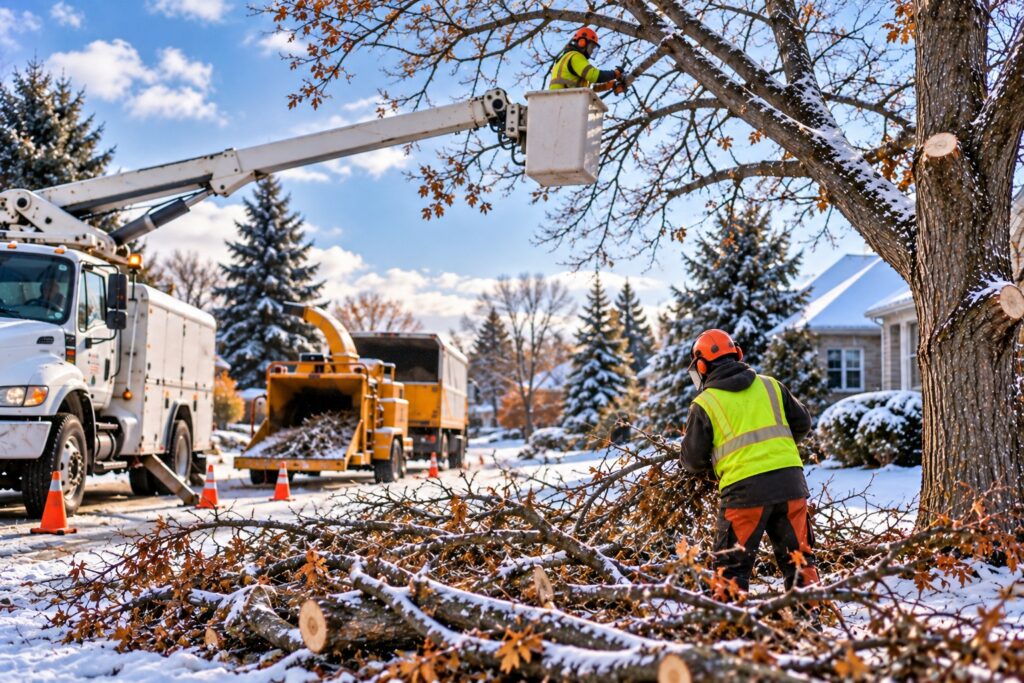
As temperatures start to drop across Western New York, trees need a little extra attention to make it through winter safely. Heavy snow, ice buildup, and strong winter winds put real stress on branches, and a tree that isn’t properly prepared can end up damaged, or become a hazard to your home. Scheduling tree trimming Buffalo NY homeowners rely on each fall is one of the simplest ways to protect your property before the harshest weather arrives.
Why Cold Weather Prep Matters for Trees
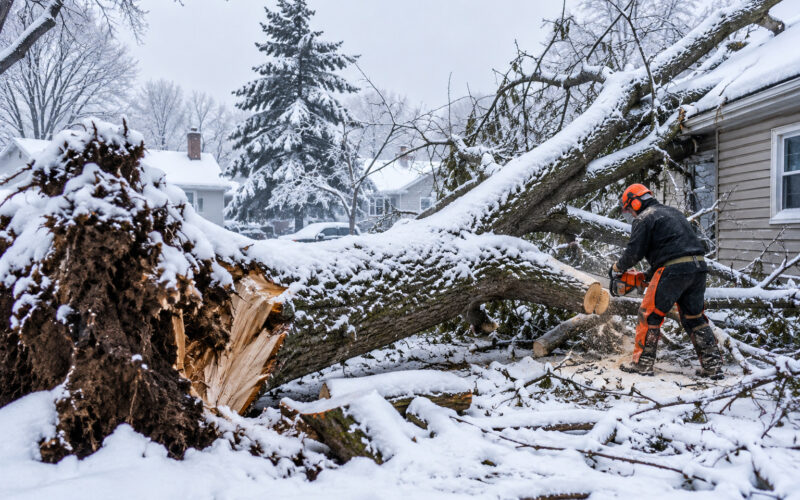
Trees don’t stop needing care once summer ends. In fact, the weeks before winter are one of the most important times to check on their health and structure. Cold weather prep matters because:
- Snow accumulation adds significant weight to branches
- Ice coating can snap weak or damaged limbs quickly
- Strong winter winds put extra stress on already-weak branch unions
- Reduced daylight makes it harder to spot problems once winter sets in
- Frozen ground can shift root stability during high winds
Getting ahead of these issues with proactive tree trimming is far easier, and usually less expensive, than dealing with storm damage after the fact.
What Professional Tree Trimming Buffalo Involves
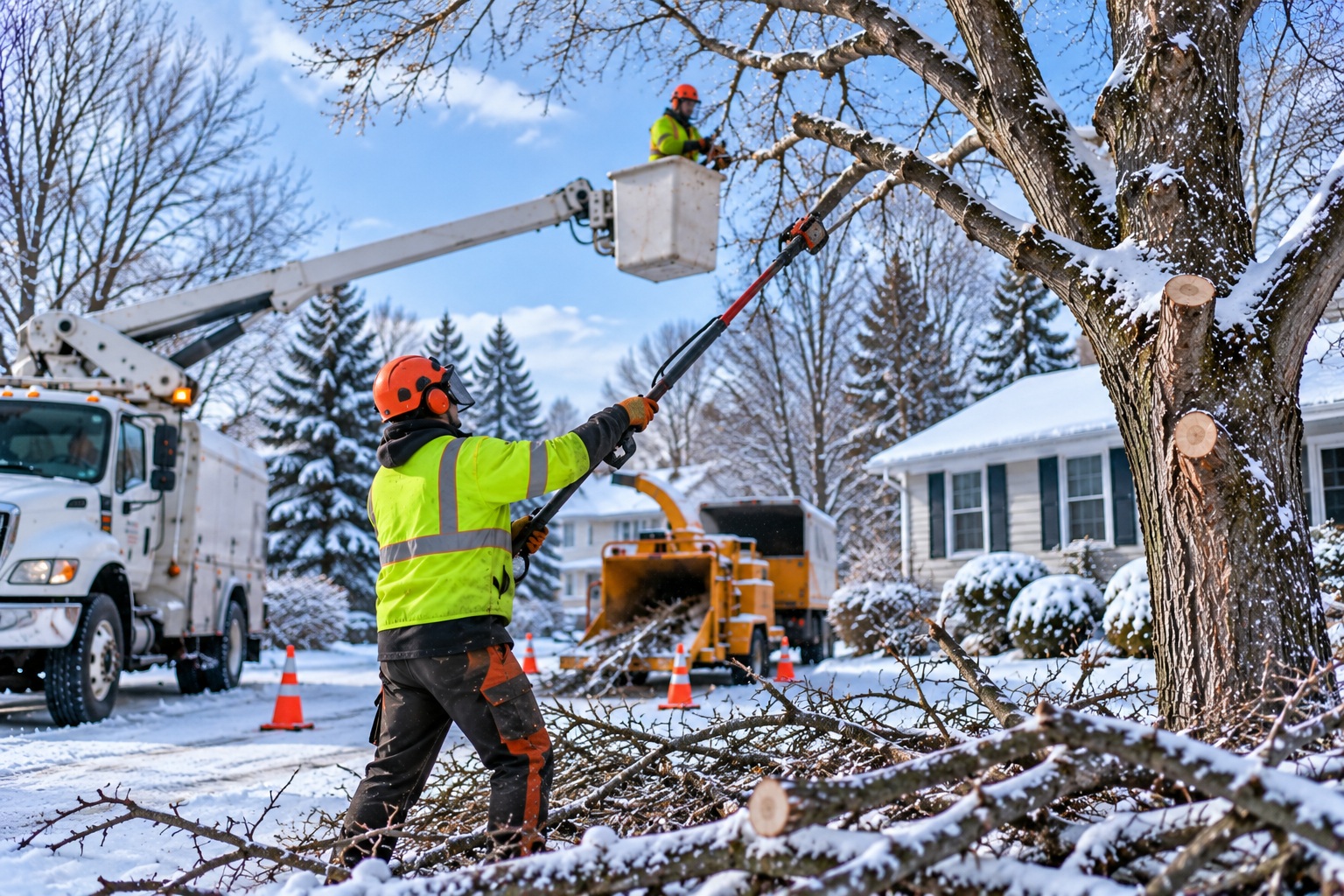
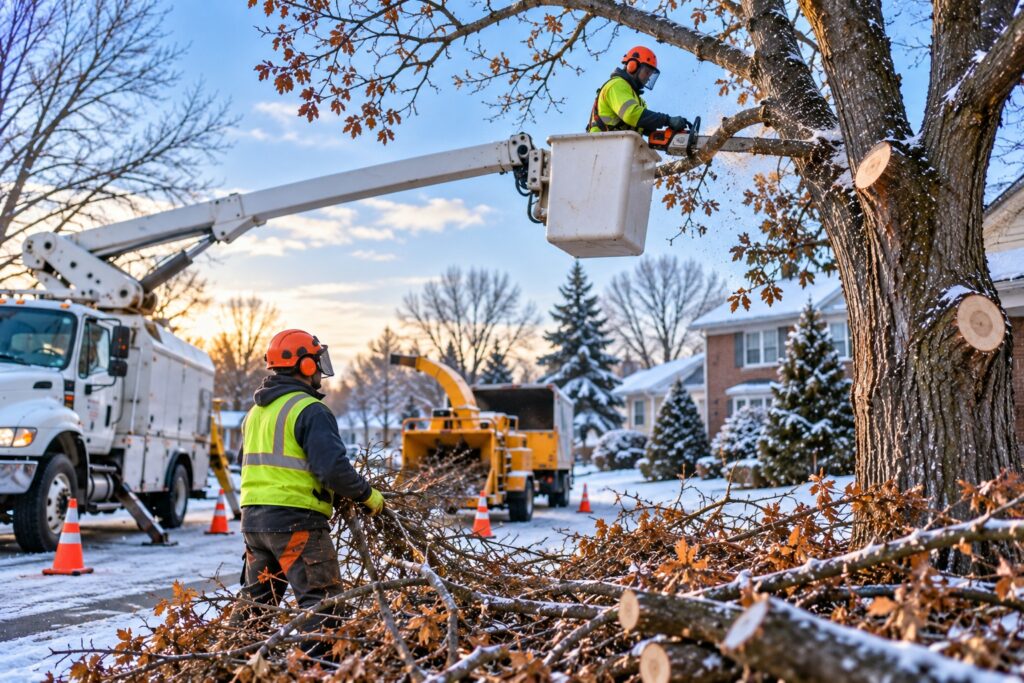
Tree trimming isn’t just about appearance. Done correctly, it improves a tree’s structural integrity and reduces the risk of limb failure during winter storms. A typical service for tree trimming Buffalo properties includes:
- Removing dead, damaged, or diseased branches
- Thinning overly dense canopies to reduce wind resistance
- Cutting back limbs that overhang roofs, driveways, or walkways
- Clearing branches that are growing into or near power lines
- Correcting weak branch unions before they become a bigger problem
- Shaping the tree to promote healthy, balanced growth
Each of these steps plays a role in helping a tree hold up better once snow and ice arrive.
The Benefits of Trimming Before Winter Hits
Scheduling tree trimming in the fall, rather than waiting until spring, offers several practical advantages:
- Removes weak limbs before they’re weighed down by snow or ice
- Reduces the chance of branches breaking and damaging roofs, cars, or fences
- Improves airflow through the canopy, which can reduce ice buildup
- Lowers the risk of storm-related power outages caused by falling limbs
- Gives the tree time to heal cuts before winter dormancy sets in
Trees that go into winter already weakened by dead wood or overcrowded branches are far more likely to suffer serious damage during a major storm.
Signs Your Tree Needs Trimming Now
Not sure whether your trees need attention before winter? Look for these common signs that tree trimming Buffalo NY residents often use as a cue to schedule service:
- Branches that are visibly dead, cracked, or hanging loosely
- Limbs rubbing against the roof, siding, or power lines
- Dense, overcrowded growth that blocks light and airflow
- Branches with narrow, weak-looking attachment points to the trunk
- Any limbs that already show signs of splitting
If you notice any of these issues, it’s a good idea to schedule a tree trimming service Buffalo NY property owners can count on before the first major snowfall.
What to Expect From a Tree Trimming Service
Understanding the process can help you know what to expect when you schedule a tree trimming service. Most jobs follow a similar pattern:
- An initial assessment of the tree’s structure, health, and surrounding hazards
- A recommendation on which branches need to be removed or thinned
- A written estimate outlining cost and scope of work
- Careful pruning using techniques that protect the tree’s long-term health
- Clean-up and removal of all cut branches and debris
A qualified crew will always use proper pruning techniques rather than simply cutting branches at random, since improper cuts can actually weaken a tree over time or leave it more vulnerable to disease.
Trimming vs. Removal: How to Know Which You Need
Sometimes a tree looks like it might need to come down entirely, when in reality, targeted trimming is enough to resolve the issue. Signs that trimming alone may be sufficient include:
- Only a small percentage of the tree shows dead or damaged wood
- The trunk and root system appear healthy and stable
- The tree is otherwise structurally sound with no major cracks or leaning
- Problem branches are limited to specific, identifiable areas
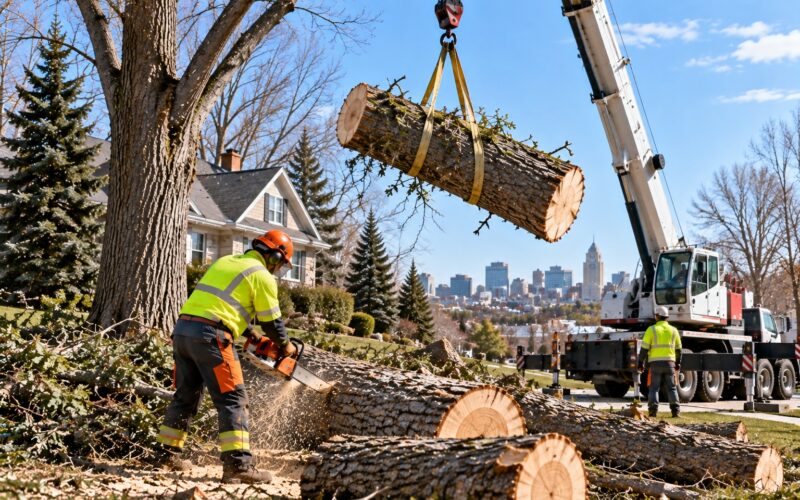
On the other hand, a tree with a compromised trunk, significant root damage, or widespread decay may need full removal instead. A professional evaluation can help determine which option fits your situation.
Choosing a Reliable Crew for the Job
Not every company approaches tree trimming the same way, and poor pruning can do more harm than good. When choosing a provider, look for:
- Proper licensing and liability insurance
- Experience with proper pruning techniques, not just branch removal
- Clear, written estimates before work begins
- Positive reviews from local customers
- Availability for seasonal or emergency work
Highland Tree Service is one local option that offers both routine tree trimming and more involved seasonal preparation services across the Buffalo area, with crews experienced in identifying which branches pose the greatest risk before winter weather arrives.
Frequently Asked Questions
When is the best time of year for tree trimming?
Late fall, before the ground freezes and snow accumulates, is generally the ideal window. It allows time for cuts to heal before winter dormancy while removing weak branches before storm season begins.
How often should trees be trimmed?
Most trees benefit from trimming every one to three years, though younger trees or those near structures may need more frequent attention.
Can trimming prevent storm damage entirely?
Trimming significantly reduces risk by removing weak or dead branches, but it can’t guarantee a tree will be completely unaffected by a severe storm. It does, however, greatly lower the chances of major limb failure.
Is DIY tree trimming safe for larger branches?
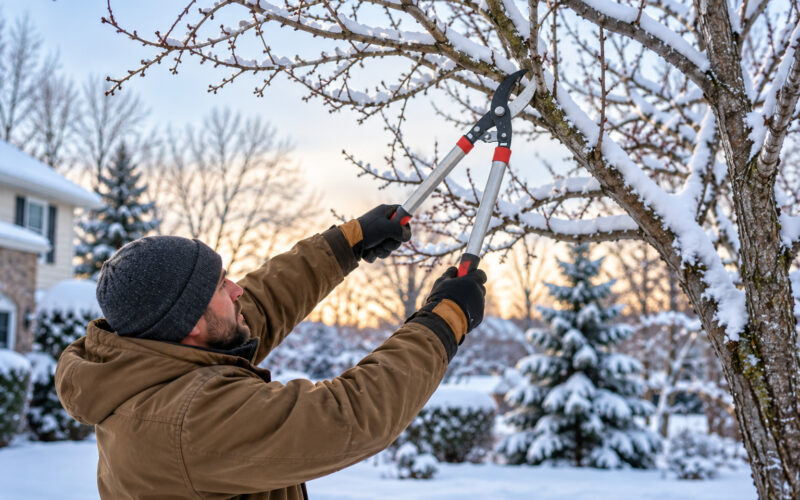
Trimming large or high branches without proper equipment and training is risky. Falls, improper cuts, and unexpected branch movement are common causes of injury, so larger jobs are best left to professionals.
How much does a tree trimming service typically cost?
Cost depends on tree size, number of branches needing attention, and accessibility. Most companies provide a free estimate after an in-person assessment.
Does trimming harm the tree?
Proper pruning, done by an experienced crew, actually benefits a tree’s long-term health. Improper cuts or over-trimming, however, can stress the tree and leave it vulnerable to disease.
Final Thoughts
Preparing trees for cold weather doesn’t have to be complicated, but it does require paying attention before the first snowfall rather than after storm damage has already occurred. Scheduling routine trimming, checking for warning signs, and working with an experienced crew are the most effective ways to protect your property throughout the winter months.