Table of Contents
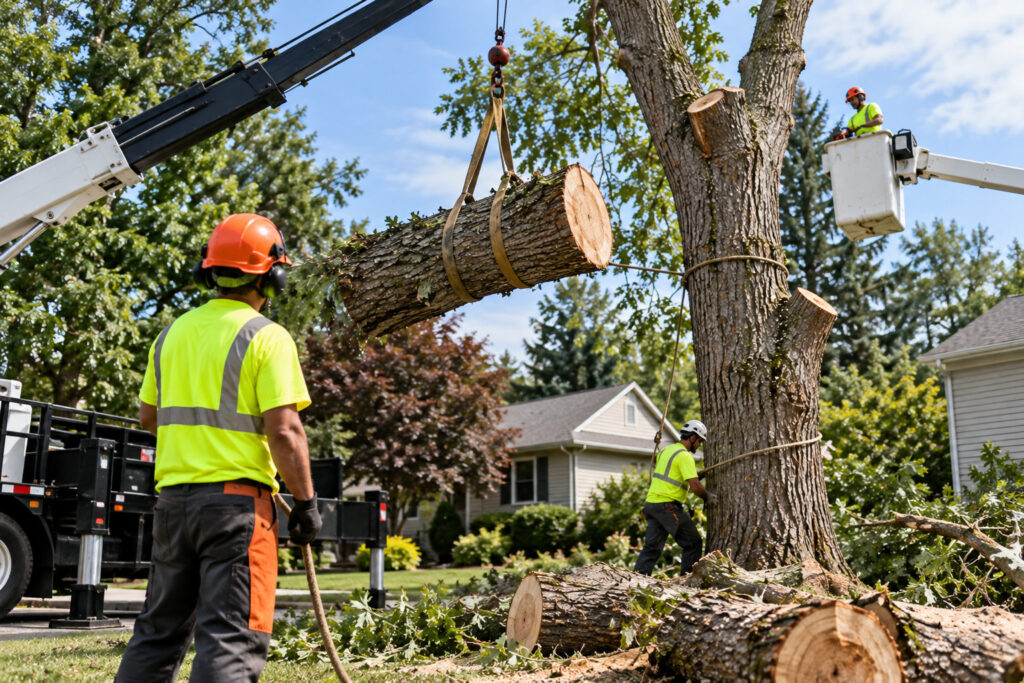
Discovering a hazardous tree on your property doesn’t automatically mean full removal is the only path forward. Depending on the severity of the issue, there are often several options worth considering before committing to a complete removal. Understanding what a tree removal service can offer beyond just taking a tree down helps homeowners make a more informed, cost-effective decision.
Why Hazardous Doesn’t Always Mean Removal
A tree flagged as hazardous during an inspection isn’t necessarily beyond saving. The right course of action depends on factors such as the extent of the damage, the tree’s location, and how much risk the homeowner is willing to accept. A reputable tree removal service will typically walk through several possible outcomes rather than defaulting straight to removal.
Option One: Selective Pruning
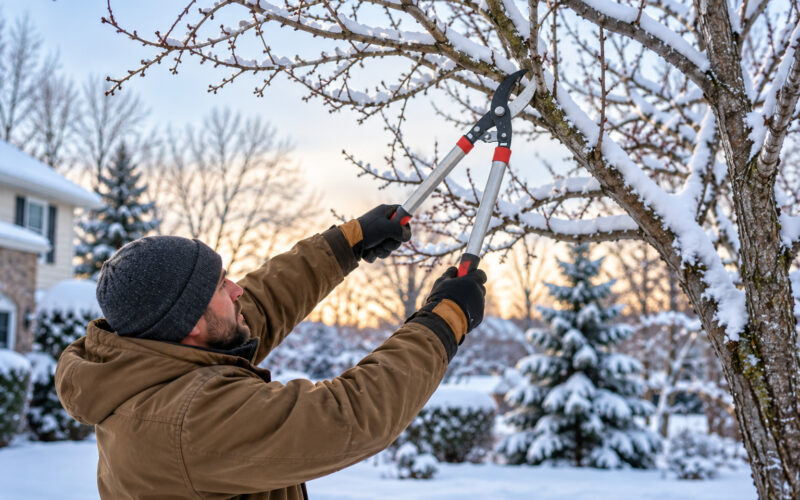
For trees with isolated problem areas, targeted pruning can sometimes resolve the hazard without removing the entire tree. This option works well when:
- Only a limited number of branches show damage or decay
- The trunk and root system remain structurally sound
- Problem limbs are clearly identifiable and accessible
- The tree is otherwise healthy aside from specific weak points
A tree removal service experienced in assessment will often recommend pruning first if it can effectively address the hazard while preserving the tree.
Option Two: Cabling and Bracing
For trees with structural weaknesses, such as a split trunk or a heavy limb at risk of separating, cabling and bracing can provide additional support. This approach typically involves:
- Installing flexible cables to help distribute weight more evenly
- Using rigid braces to reinforce weak unions between major limbs
- Reducing stress on vulnerable areas during high winds or heavy snow
- Allowing the tree to remain in place while lowering the risk of failure
This option is often considered for mature or particularly valuable trees where removal would mean losing significant shade, privacy, or aesthetic value.
Option Three: Monitoring With Scheduled Follow-Up
In some cases, a hazard isn’t severe enough to require immediate action but is worth tracking over time. A tree removal service may recommend:
- Scheduling a follow-up inspection in six months to a year
- Monitoring specific areas of concern, such as early-stage decay
- Reassessing after major weather events to check for changes
- Documenting the tree’s condition for future reference
This approach works best for minor concerns that don’t yet pose an immediate safety risk but could develop into something more serious over time.
Option Four: Partial Removal
Rather than removing an entire tree, sometimes only a portion needs to come down. Partial removal might involve:
- Taking down a specific hazardous limb rather than the whole tree
- Removing one trunk of a multi-trunk tree while preserving the rest
- Reducing canopy height or spread to decrease wind resistance
- Addressing the most dangerous section while leaving stable portions intact
This option can be a middle ground between full tree removal buffalo NY projects and simple pruning, particularly for larger or structurally complex trees.
Option Five: Full Tree Removal
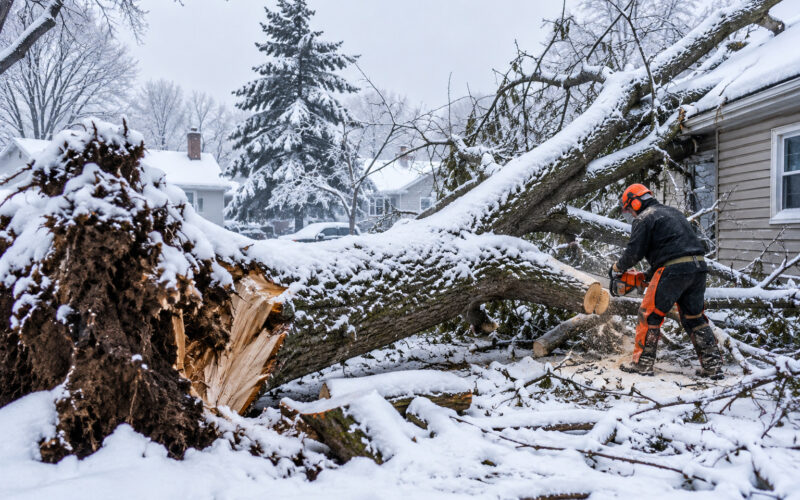
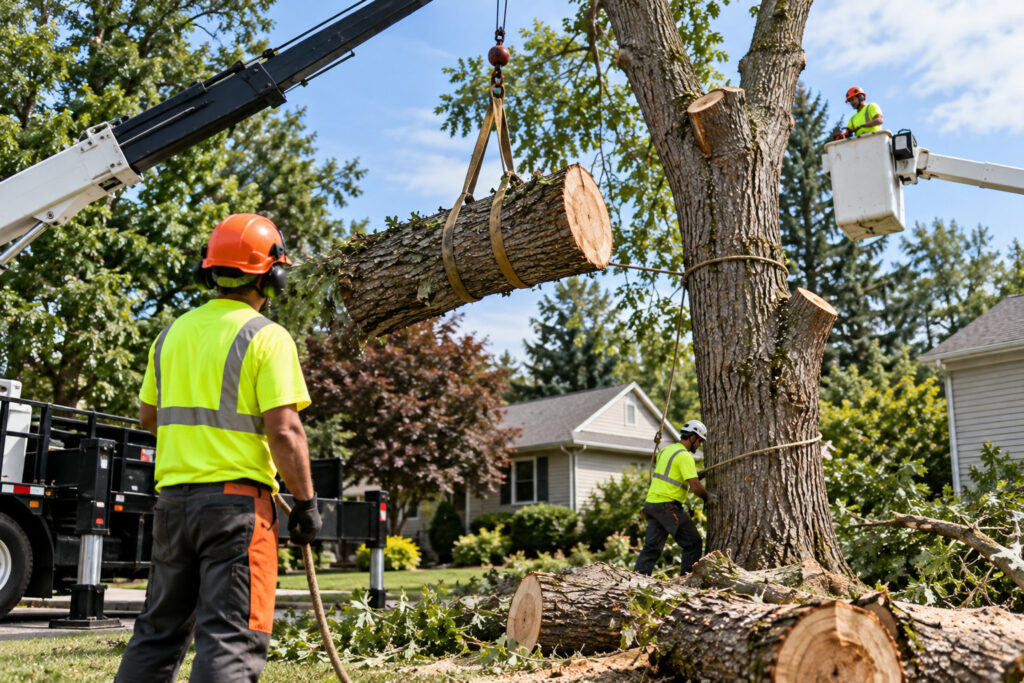
When a tree’s condition is too compromised to address through pruning, cabling, or partial removal, full removal becomes the safest option. A professional tree removal service typically recommends complete removal when:
- The trunk shows extensive decay or structural compromise
- Root damage significantly affects overall stability
- The tree poses an immediate risk to structures or safety
- Multiple hazard indicators are present simultaneously
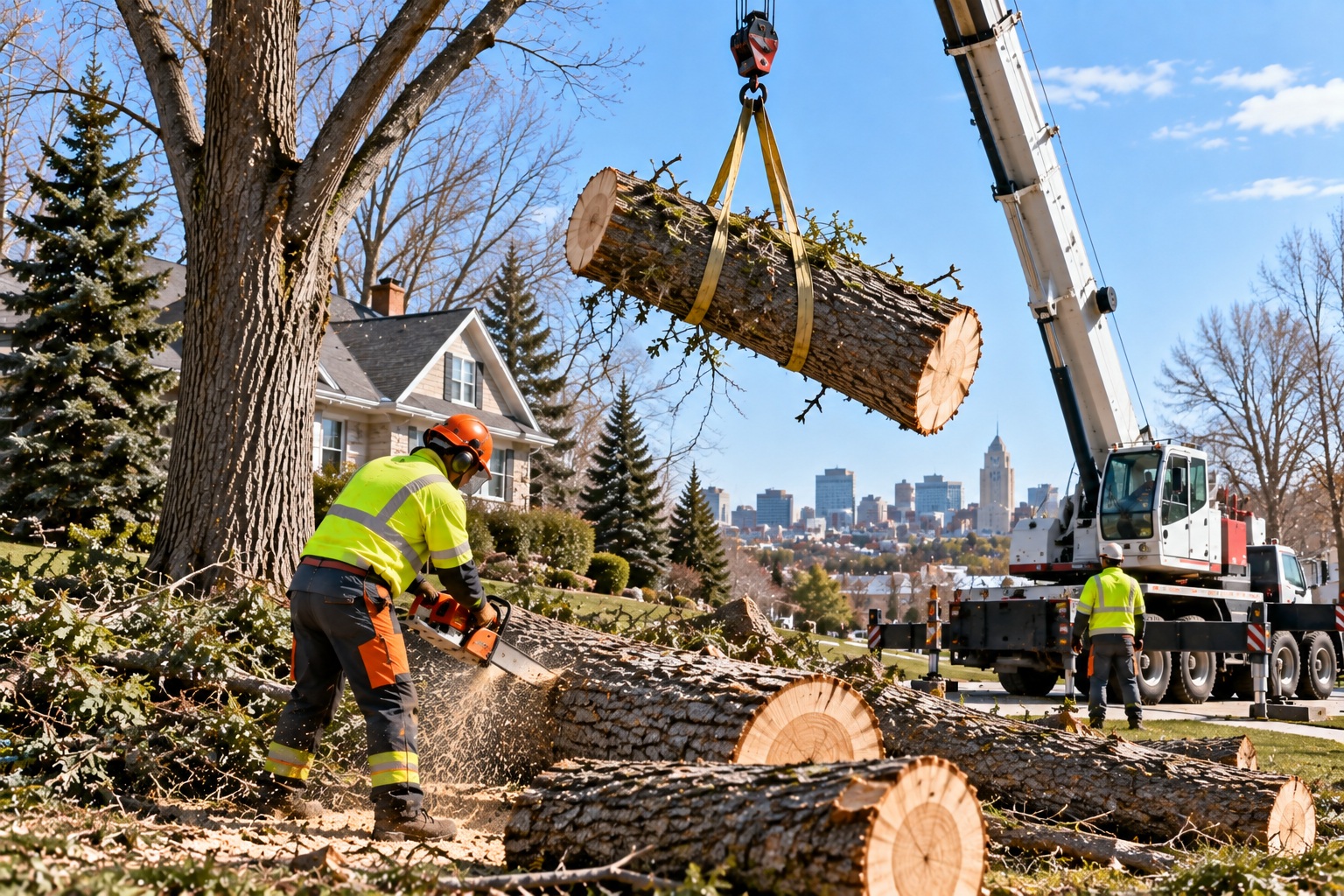
In these situations, tree removal buffalo NY work should be scheduled with an experienced, insured crew capable of safely managing the job from start to finish.
How a Professional Determines the Right Option
Choosing between these options isn’t something homeowners need to figure out alone. A qualified tree removal service Buffalo NY provider will typically evaluate:
- The extent and location of any decay or damage
- Overall structural stability of the trunk and major limbs
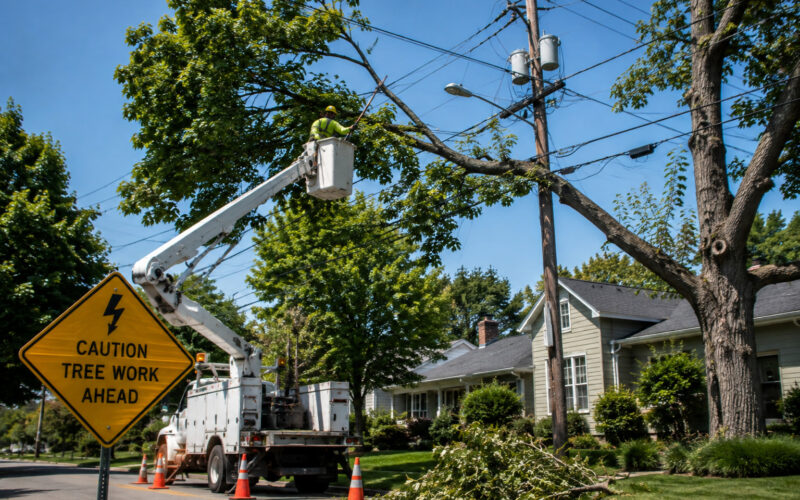
- Proximity to structures, power lines, and high-traffic areas
- The tree’s overall health and likelihood of recovery
- Cost and practicality of each potential option
This evaluation results in a clear recommendation, along with reasoning, so homeowners understand why a particular option is being suggested.
Factors That Influence Which Option Makes Sense
Beyond the tree’s condition itself, a few practical factors often influence the final decision:
- Budget considerations, since removal is often more costly than pruning or monitoring
- How much risk tolerance the homeowner has for a borderline hazard
- The tree’s value in terms of shade, privacy, or sentimental significance
- Insurance considerations if the hazard is storm-related
Discussing these factors openly with your provider can help ensure the final decision aligns with both safety needs and personal priorities.
Getting a Second Opinion
For borderline cases, particularly when the recommendation is full removal of a seemingly healthy-looking tree, getting a second opinion from another tree removal service can provide added confidence in the decision. A second assessment can help confirm:
- Whether the hazard is as severe as initially described
- If alternative options like cabling or partial removal were considered
- Whether the proposed cost aligns with similar local providers
Highland Tree Service provides thorough assessments across the Buffalo area, walking property owners through all available options before recommending tree removal buffalo NY work, so the final decision is based on clear information rather than guesswork.
Frequently Asked Questions
How do I know if my tree needs full removal or just pruning? A professional inspection evaluates the extent of damage, root stability, and overall structure to determine whether targeted pruning is enough or if removal is necessary.
Is cabling and bracing a permanent fix? It can significantly extend a tree’s stability, but it typically requires periodic inspection and maintenance rather than being a one-time, permanent solution.
How much does monitoring a hazardous tree cost compared to removal? Monitoring and follow-up inspections are generally far less expensive than removal, though costs vary by provider and the frequency of recommended check-ins.
Can partial removal reduce the overall cost compared to full removal? Yes, in many cases addressing only the hazardous portion of a tree costs less than removing the entire tree, though this depends on the specific situation.
Should I always get a second opinion before removing a tree? It’s not required, but for costly or borderline cases, a second assessment can provide additional confidence that removal is truly the best option.
What happens if I choose monitoring and the tree gets worse? If a follow-up inspection reveals worsening conditions, your provider will typically recommend moving to a more active option, such as pruning, cabling, or removal, based on the updated assessment.
Final Thoughts
A hazardous tree doesn’t always mean the only solution is complete removal. From selective pruning to cabling, monitoring, and partial removal, several options exist depending on the severity of the issue. Working with an experienced provider ensures you understand all available paths forward before making a final decision for your property.