Table of Contents
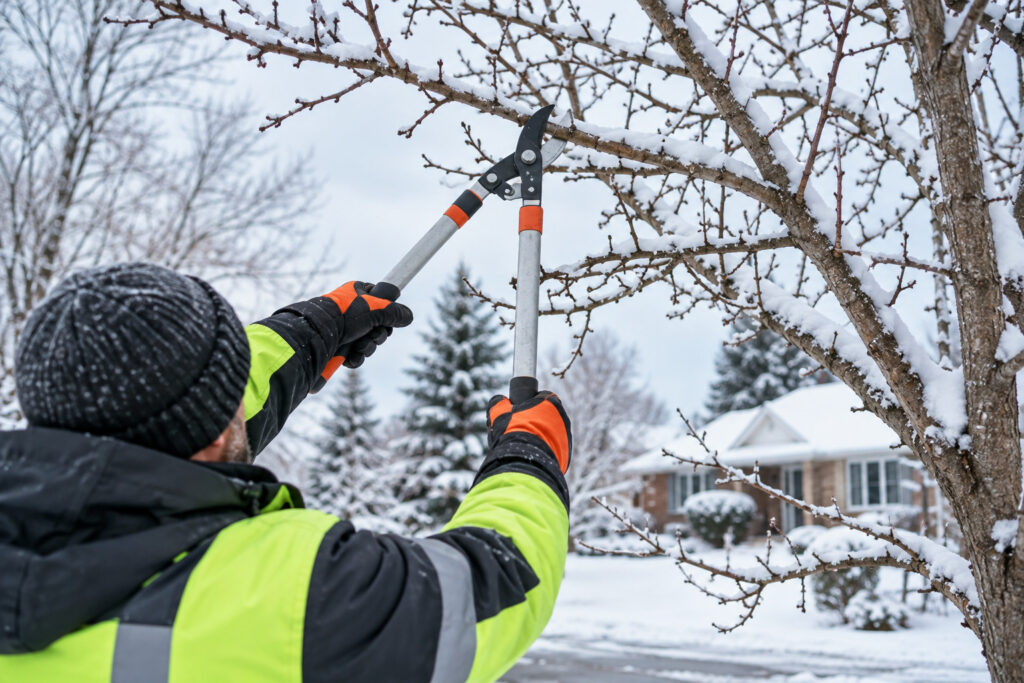
Trees that go into winter with weak, overcrowded, or damaged branches are far more likely to suffer serious damage once snow and ice arrive. Scheduling tree pruning Buffalo NY homeowners rely on each fall is one of the most effective ways to strengthen a tree’s structure before the harshest weather sets in. This guide covers how proper pruning supports winter resilience and what to expect from a professional service.
How Pruning Strengthens a Tree’s Structure
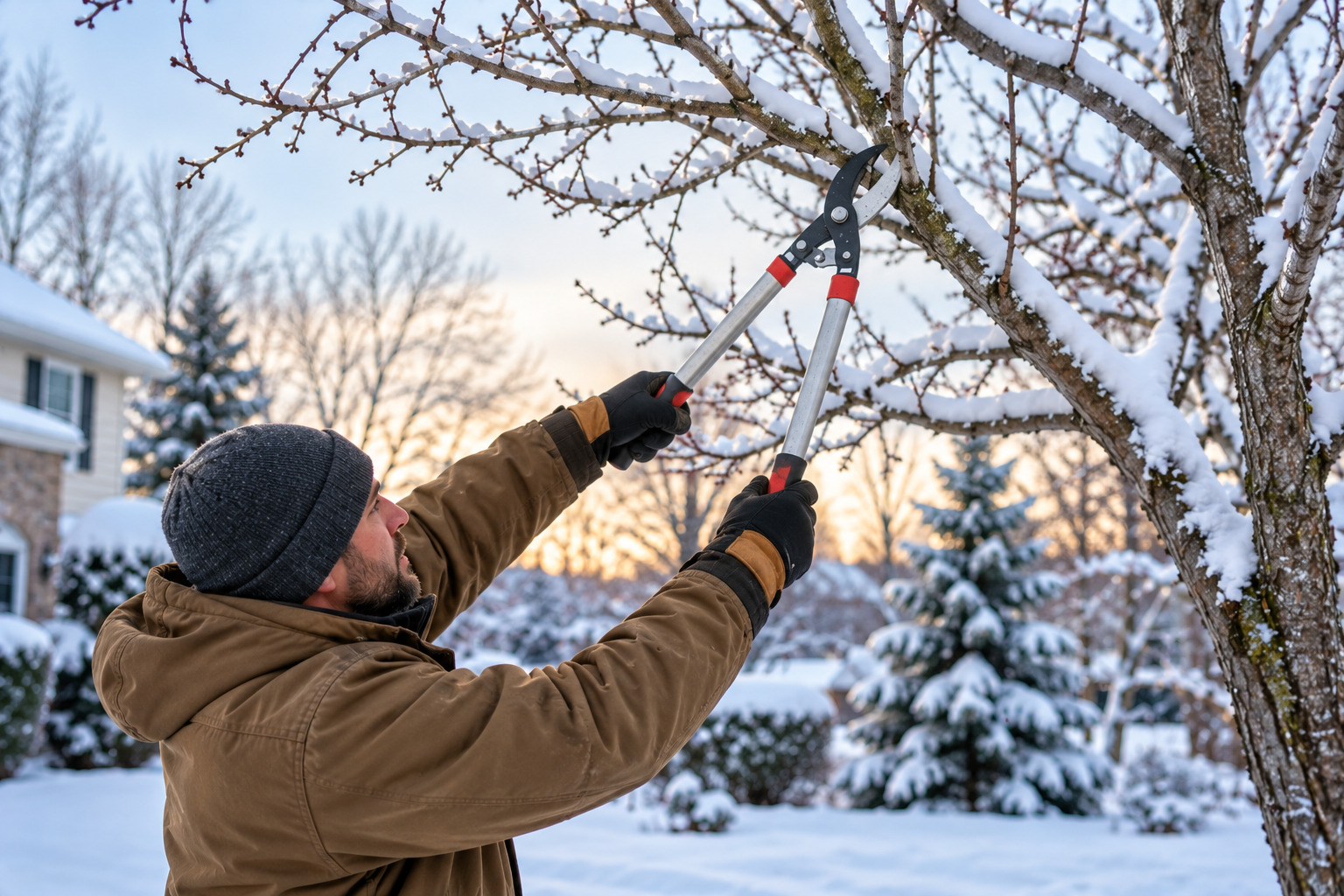
Tree pruning isn’t just about appearance, it plays a direct role in how well a tree holds up under the weight of snow and the force of winter wind. Removing the right branches at the right time offers several structural benefits:
- Reduces excess weight that could snap weak limbs under snow load
- Improves airflow through the canopy, lowering ice accumulation
- Eliminates weak branch unions prone to splitting
- Encourages balanced growth that distributes weight more evenly
- Removes dead wood that no longer contributes to the tree’s stability
Each of these benefits adds up to a tree that’s better equipped to handle the physical stress winter weather brings.
Why Fall Is the Ideal Time for Tree Pruning
Timing matters when it comes to getting the most benefit from tree pruning. Scheduling service in fall, before the ground freezes, offers distinct advantages:
- Bare or thinning branches make structural issues easier to identify
- Cooler temperatures reduce stress on the tree during the pruning process
- Cuts have time to begin healing before winter dormancy sets in
- Crews often have more flexible scheduling before storm season increases demand
- Addressing weak branches now prevents emergency situations later
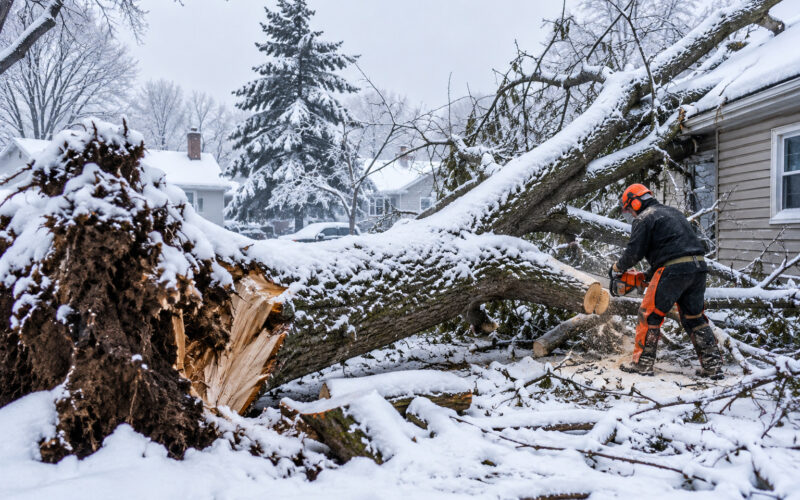
Waiting until after a storm has already caused damage means dealing with broken limbs reactively instead of preventing the problem in the first place.
What a Tree Pruning Service Typically Includes
Understanding what’s involved in a typical appointment can help set expectations. A thorough tree pruning service usually covers:
- An initial assessment of the tree’s overall structure and health
- Identification of dead, damaged, or weak branches
- Selective removal of problem limbs using proper cutting techniques
- Thinning of dense areas to improve airflow and reduce wind resistance
- Clean-up and removal of all cut branches and debris
A qualified crew will always use techniques designed to support the tree’s long-term health, rather than simply removing branches without a clear structural strategy.
Common Issues Addressed During Pruning
Several specific problems are commonly identified and corrected during a seasonal pruning appointment. These include:
- Crossing or rubbing branches that create wounds and entry points for disease
- Narrow, weak branch unions that are prone to splitting under pressure
- Overcrowded growth that blocks sunlight and traps moisture
- Branches overhanging roofs, driveways, or walkways
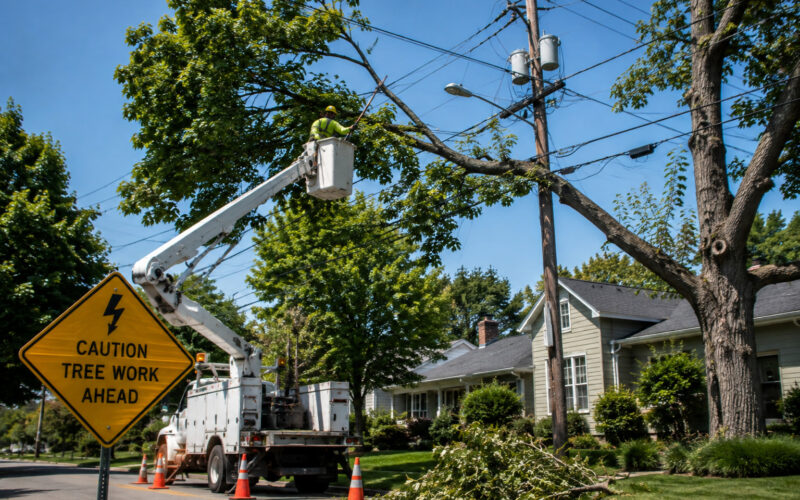
- Limbs growing too close to power lines
Addressing these issues proactively through tree pruning reduces the likelihood of branch failure once snow and ice add extra stress to the canopy.
The Difference Between Pruning and Tree Removal
Not every tree with structural concerns needs to come down entirely. In many cases, tree pruning alone is enough to resolve the issue, particularly when:
- Only specific branches show signs of damage or weakness
- The trunk and root system remain healthy and stable
- The tree is otherwise structurally sound overall
Full removal becomes necessary when the trunk itself is compromised, root damage is extensive, or the tree shows signs of advanced decay that pruning alone can’t correct. A professional evaluation can help determine which approach fits your specific situation.
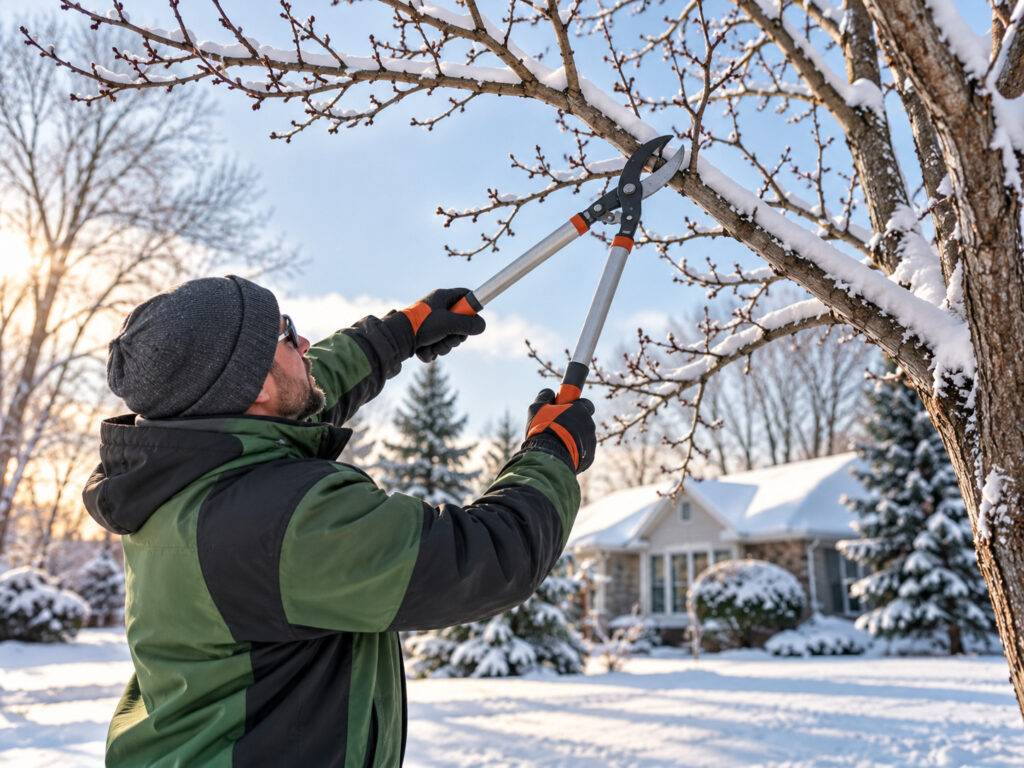
Signs Your Trees Could Benefit From Pruning Now
Not sure whether your trees need attention before winter arrives? Watch for these common indicators:
- Visible dead or cracked branches throughout the canopy
- Limbs rubbing against the roof, siding, or nearby structures
- Dense, overcrowded growth that limits light and airflow
- Branches with narrow or weak-looking attachment points
- Any limbs that already show early signs of splitting
If you notice several of these signs, scheduling a tree pruning service sooner rather than later can help reduce risk before the first major snowfall.
Long-Term Benefits Beyond Winter Protection
While winter resilience is a major reason to schedule pruning, the benefits extend well beyond a single season. Regular tree pruning also supports:
- Overall tree health and longevity
- Better fruit or flower production in ornamental and fruit trees
- Improved sunlight access for grass and plants beneath the canopy
- Reduced risk of disease spreading through dense, poorly ventilated branches
- Stronger, more balanced growth patterns over time
Consistent, professional pruning over the years tends to produce healthier, more resilient trees compared to those left unmanaged.
Choosing a Qualified Tree Pruning Service
Not every provider approaches pruning with the same level of expertise, and improper cuts can actually weaken a tree rather than strengthen it. When selecting a tree pruning service, look for:
- Proper licensing and liability insurance
- Experience with correct pruning techniques, not just general branch removal
- A clear, written estimate before work begins
- Positive reviews from local customers
- Willingness to explain their recommendations and reasoning
Highland Tree Service offers seasonal tree pruning across the Buffalo area, helping homeowners identify and address structural weaknesses before winter weather puts added stress on vulnerable branches.
Frequently Asked Questions
How often should trees be pruned? Most trees benefit from pruning every one to three years, though younger trees or those near structures may need more frequent attention.
Can pruning actually prevent storm damage? While it can’t eliminate all risk, removing weak or dead branches significantly reduces the likelihood of major limb failure during winter storms.
Is it safe to prune large branches myself? Pruning large or high branches without proper training and equipment carries real risk, including falls and unpredictable branch movement. Larger jobs are best left to professionals.
Does pruning harm the tree? Proper pruning by an experienced crew actually supports a tree’s long-term health. Improper cuts or excessive trimming, however, can stress the tree and increase vulnerability to disease.
How much does a tree pruning service typically cost? Cost depends on tree size, the number of branches needing attention, and accessibility. Most companies provide a free estimate following an in-person assessment.
What’s the difference between pruning and trimming? The terms are often used interchangeably, though pruning typically refers to more deliberate, health-focused cuts aimed at structure and growth, while trimming can also include shaping for appearance.
Final Thoughts
Strong winter tree structure doesn’t happen by accident, it’s the result of proactive care and properly timed maintenance. Scheduling pruning before the season changes helps remove weak branches, improve airflow, and reduce the risk of storm-related damage, giving your trees a better chance of making it through winter intact.