Table of Contents
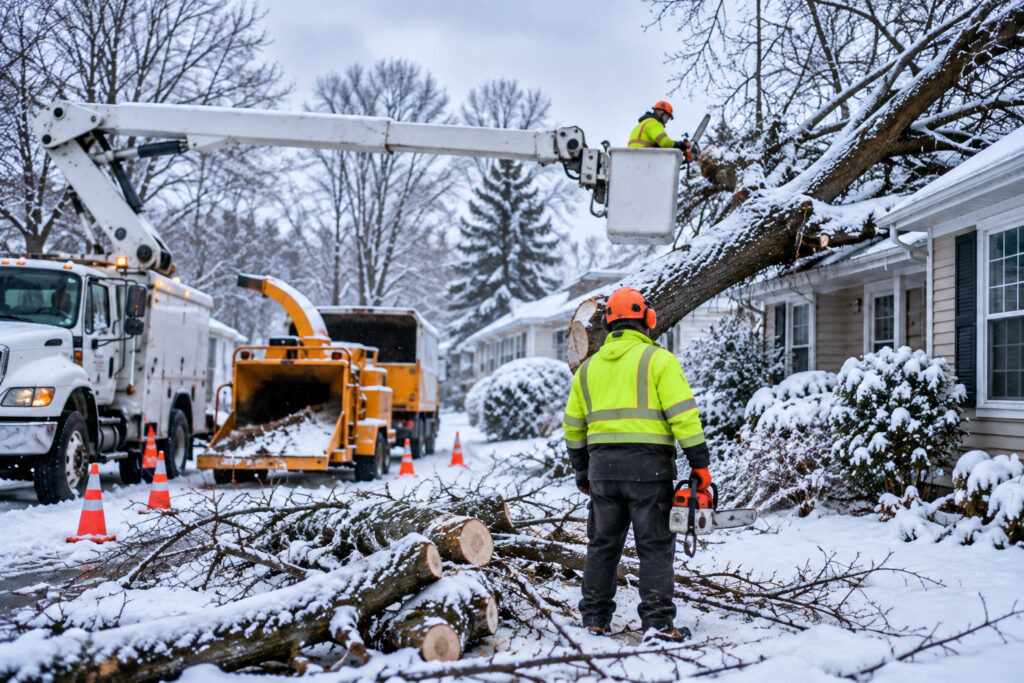
Winter in Western New York is hard on trees. Heavy, wet snow, sudden ice buildup, and biting winds off Lake Erie put constant pressure on branches, trunks, and root systems. A tree that looks perfectly fine in October can become a serious hazard by January if it isn’t inspected ahead of the season. Understanding the warning signs, and knowing when tree removal Buffalo NY services are needed, can help you avoid property damage, power outages, or worse before the next storm rolls through.
Why Winter Is the Riskiest Season for Trees
Snow and ice add significant weight to branches that were never designed to carry it. A limb that seems sturdy in summer can snap under just a few inches of wet, heavy snow. Combine that with strong winter winds, and even healthy-looking trees can fail without much warning. This is why so many calls for buffalo tree removal spike during and immediately after major winter storms.
Several factors make winter especially risky:
- Wet, heavy snow adds extra weight to limbs and canopies
- Ice coating branches increases stress on weak or damaged wood
- Frozen ground can make root systems less stable in high winds
- Reduced daylight makes it harder to notice hazards before they fail
- Repeated freeze-thaw cycles widen existing cracks in trunks and limbs
Warning Signs Your Tree May Not Survive the Season
Before winter weather arrives, it’s worth walking your property and checking for the following signs. Any of these can indicate a tree is at higher risk of failure once snow and ice set in:
- A trunk that leans more noticeably than it used to
- Cracks or splits running vertically along the bark
- Mushrooms, fungus, or soft, spongy wood near the base
- Large dead branches, especially high in the canopy
- Roots that are exposed, cracked, or lifting nearby pavement
- Branches already resting on or growing into power lines
- A hollow sound when the trunk is tapped
If you notice more than one of these signs, scheduling an inspection for tree removal Buffalo before winter weather hits is far safer than waiting until a storm forces the issue.
Buffalo Tree Removal Before the Snow Flies
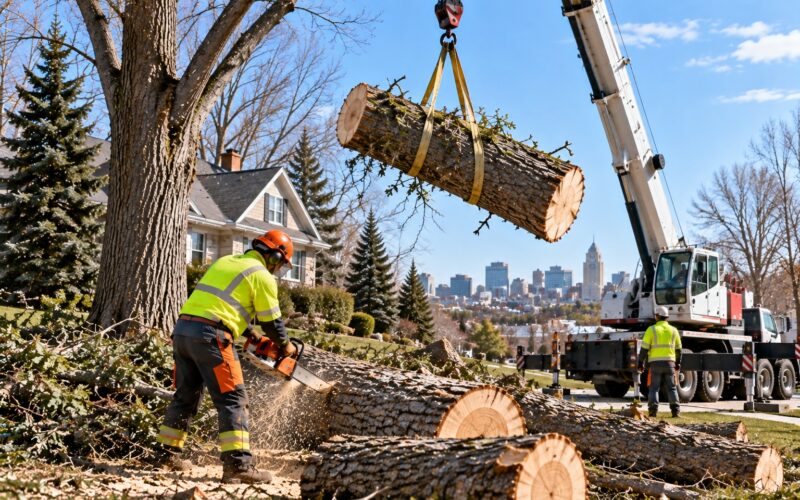
Handling a hazardous tree in the fall, before the ground freezes and snow accumulates, is almost always easier and safer than dealing with it mid-storm. Proactive buffalo tree removal in the off-season offers several advantages:
- Easier access for equipment before snow and ice accumulate
- Lower risk of falling limbs damaging property during the job
- More flexible scheduling compared to emergency response during storms
- Time to properly assess root stability without frozen ground obscuring issues
- Reduced risk of the tree failing unexpectedly during a winter storm
Waiting until a tree is already leaning dangerously in the middle of a snowstorm limits your options and often turns a planned job into an urgent one.
When a Winter Tree Problem Becomes an Emergency
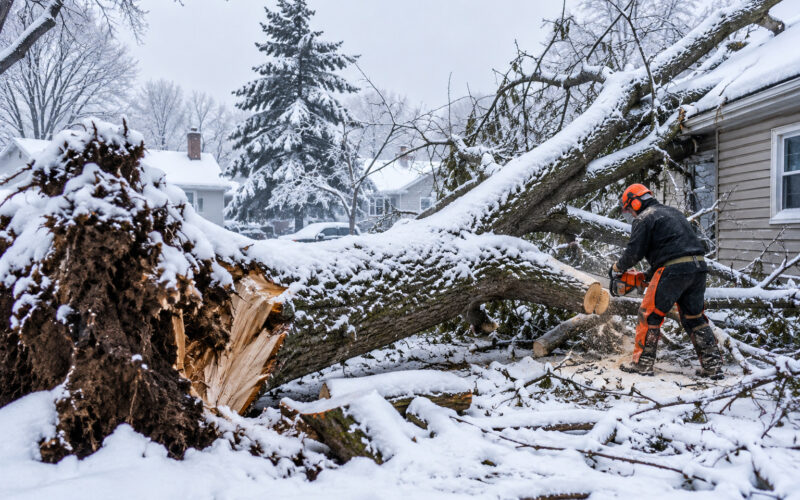
Even with careful fall inspections, storms can still catch trees off guard. When a tree fails during winter weather, emergency tree removal becomes necessary. Common emergency situations include:
- A tree or large limb has fallen onto a home, garage, or vehicle
- Ice-covered branches are resting on power lines
- A trunk has split under the weight of snow and could fail further
- Downed trees are blocking a driveway, road, or walkway
- A tree is visibly leaning toward a structure after high winds
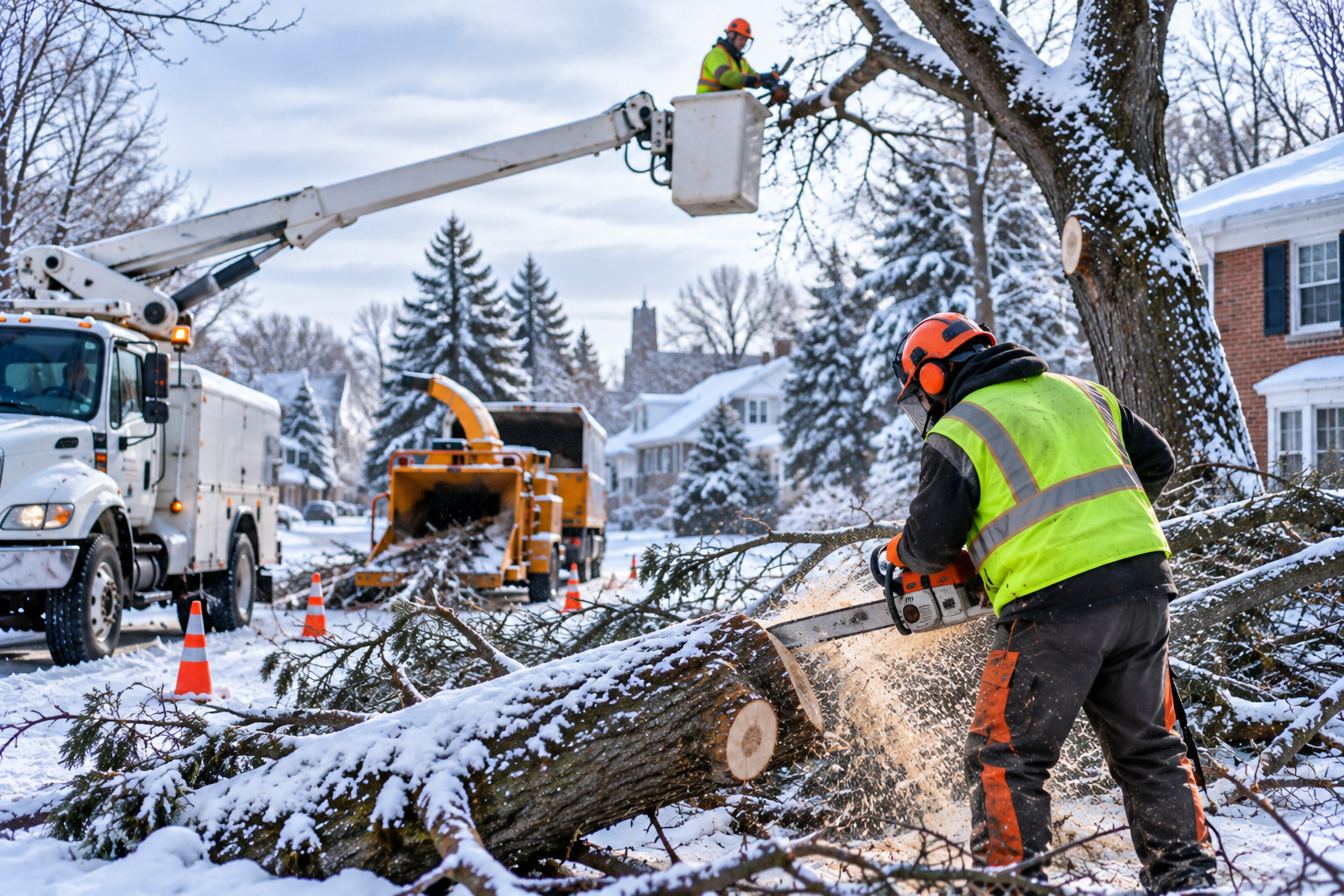
In these situations, emergency tree removal should be the immediate next step. Icy conditions make hazardous trees even more dangerous to approach without proper training and equipment, so attempting to handle a fallen or unstable tree yourself is not worth the risk.
What to Expect From a Professional Inspection
A thorough seasonal inspection for tree removal Buffalo NY properties typically covers:
- Overall trunk and canopy health
- Signs of decay, disease, or pest damage
- Root stability and any visible heaving or exposure
- Proximity to structures, fences, and power lines
- Recommendations for pruning, cabling, or full removal
- A written estimate if removal is recommended
This kind of assessment gives homeowners a clear picture of their risk level heading into winter, rather than guessing based on appearance alone.
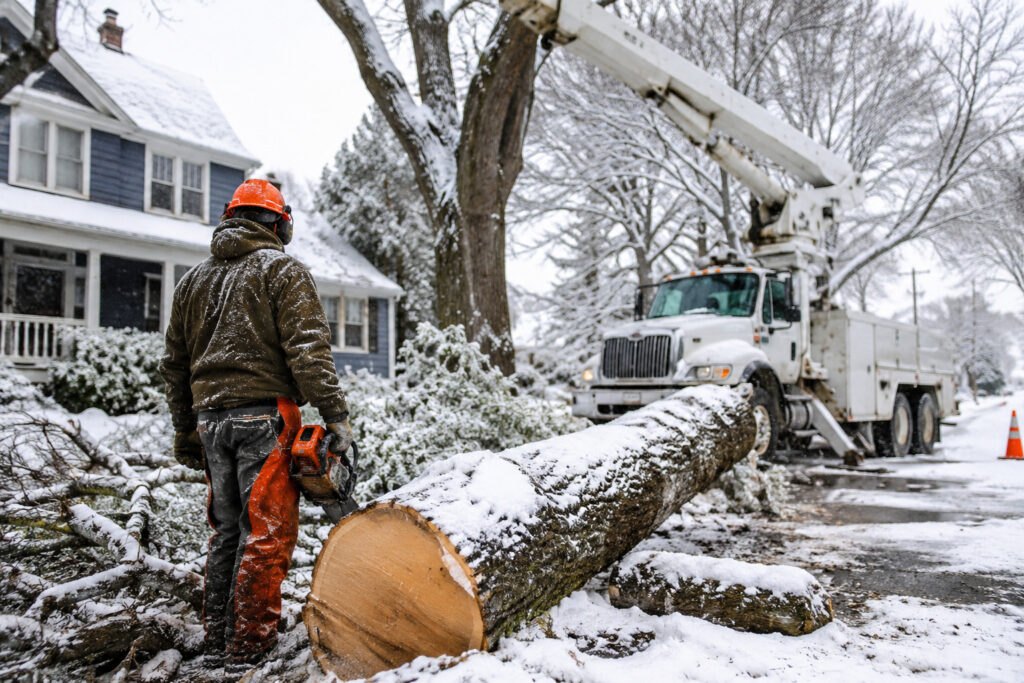
Preparing Your Property for Winter Storms
Beyond addressing individual hazardous trees, a few general steps can reduce risk across your property:
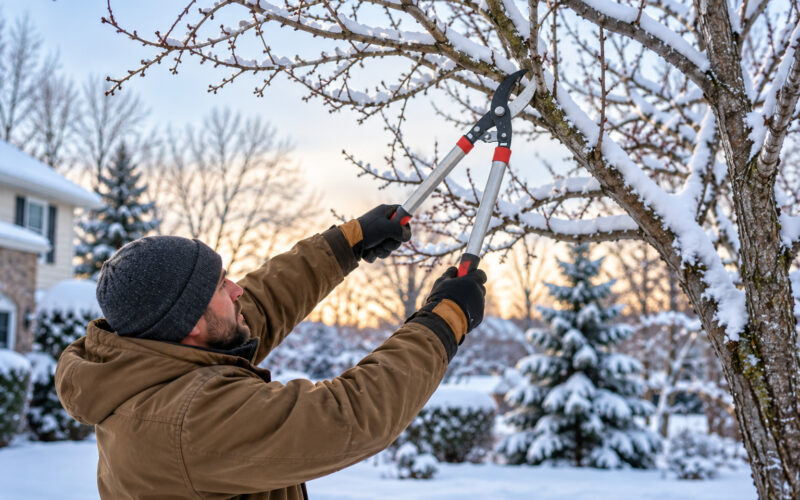
- Trim back branches that overhang the roof, driveway, or walkways
- Remove dead or weak limbs before they’re weighed down by snow
- Check that no branches are touching power lines
- Clear debris and loose limbs from previous storms
- Keep a professional tree service’s contact information on hand for emergencies
Frequently Asked Questions
How can I tell if a tree is likely to fail in a winter storm?
Look for leaning trunks, visible cracks, dead branches, fungus at the base, and exposed or damaged roots. Any combination of these signs suggests a higher risk of failure under snow or wind stress.
Is it better to remove a hazardous tree in fall or wait until spring?
Fall is generally the safer choice. Removing a hazardous tree before snow and ice accumulate reduces risk and often makes the job easier and more affordable.
What should I do if a tree falls during a winter storm?
Stay away from the area, especially if power lines are involved, and call for emergency tree removal as soon as it’s safe to do so.
Does homeowners insurance cover tree damage from winter storms?
Many policies cover removal and repair when a tree falls on a structure during a storm. Coverage can be more limited if the tree was already dead or diseased beforehand, so it’s worth reviewing your policy.
How much does tree removal typically cost in the winter?
Winter removals can sometimes cost more due to weather-related scheduling challenges and the added complexity of icy conditions, though pricing still depends on tree size and accessibility.
Can a leaning tree make it through winter without being removed?
It depends on the cause of the lean and the tree’s overall health. A professional inspection can determine whether cabling or bracing might stabilize it, or whether removal is the safer option before winter weather arrives.
Final Thoughts
Winter weather in Buffalo doesn’t leave much room for error when it comes to hazardous trees. Spotting warning signs early and scheduling an inspection before the first major snowfall can prevent a manageable problem from turning into an emergency. If a storm has already caused damage, don’t wait to get help, a fallen or unstable tree only becomes more dangerous the longer it’s left unaddressed.