Table of Contents
Mature trees are among the most valuable features of a home. They cool the yard in summer, frame the house, and add years of character that no young planting can match. They are also bigger, heavier, and more complex to care for. Good tree trimming Buffalo NY homeowners rely on in winter can keep an older tree strong, safe, and attractive for decades. This guide explains the smart pruning practices professionals use on mature trees, why dormant-season work makes sense, and what to expect from a qualified tree trimming service.
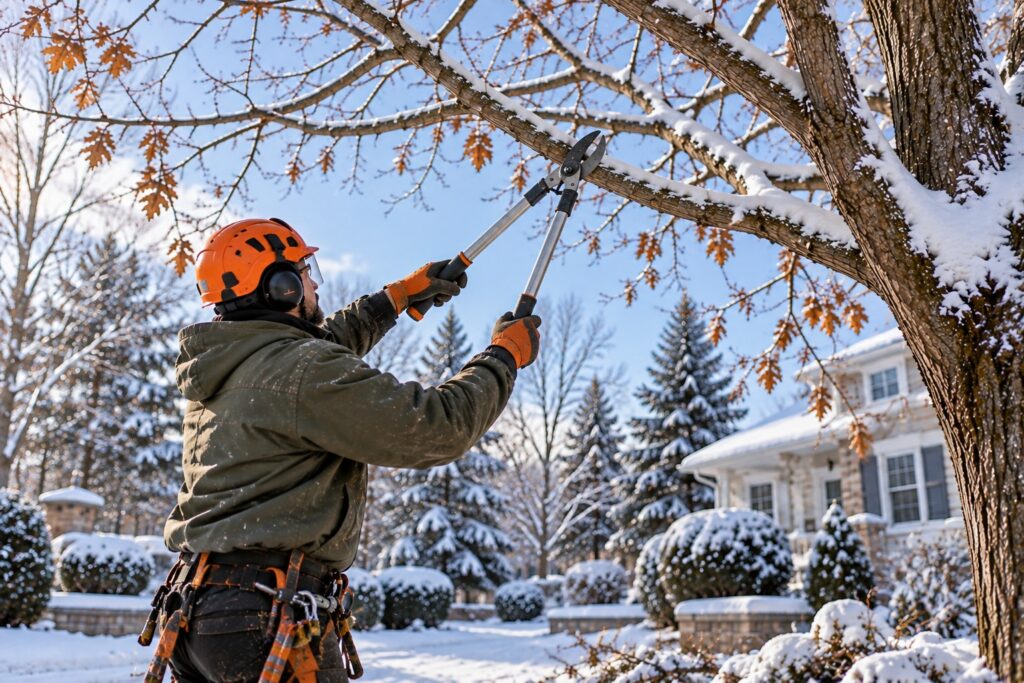
Why Mature Trees Need a Careful Approach
An older tree has a large canopy, thick limbs, and a long history of weather, wounds, and growth. Every cut matters more because the tree has less ability to recover from mistakes than a young one. Poor pruning can open large wounds, invite decay, and create weak regrowth that fails later.
A thoughtful tree trimming service Buffalo NY property owners can trust treats each mature tree as an individual. The crew studies the species, the shape, and the surroundings before making a plan, rather than applying the same cuts to every yard.
Why Winter Works Well for Dormant Pruning
When leaves have dropped, the structure of the tree is clear. Cracks, deadwood, crossing branches, and weak unions are far easier to see. Many species also respond well to pruning while dormant. Benefits include:
- Better visibility of branch structure and defects
- Reduced stress on the tree during cutting
- Fewer active insects and disease spores in cold weather
- Easier access for crews when the ground is firm
- Less disruption to lawns and gardens beneath the canopy
That is why late fall and winter are such popular seasons for tree trimming Buffalo NY homeowners request. Timing still depends on species, since some trees bleed sap in late winter and certain flowering trees can lose blooms if cut at the wrong moment. A professional can advise on the best window for each tree.
Core Principles of Smart Pruning
Good pruning follows a few simple rules that protect the tree’s health. Keep these in mind:
- Prune with a purpose, such as safety, health, structure, or clearance
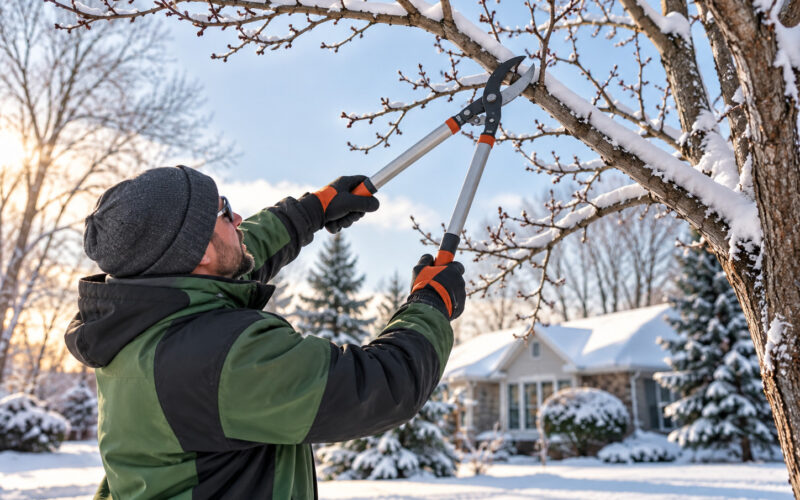
- Make cuts just outside the branch collar, the slightly swollen area where a branch meets the trunk
- Use sharp, clean tools to reduce tearing and disease spread
- Avoid leaving stubs, which can decay and invite pests
- Never cut more than the tree can recover from in one season
A reputable tree trimming service follows these principles on every job and can explain the reasoning behind each cut.
What Gets Removed First
Professionals usually work in a clear order of priority. On a mature tree, the first targets are:
- Dead, dying, or diseased branches
- Broken or hanging limbs
- Crossing or rubbing branches that create wounds
- Weak, V-shaped unions with included bark
- Branches growing inward toward the center
- Low limbs that block walkways, driveways, or sightlines
Only after these problems are handled does the crew consider shaping or size reduction. That order protects the tree and keeps the work focused on real needs.
Thinning, Raising, and Reducing
Three techniques come up often on mature trees, and each has a different purpose:
- Crown thinning removes selected branches to let light and air pass through, which can reduce wind and snow load
- Crown raising removes lower branches to create clearance over lawns, roofs, and roads
- Crown reduction shortens branches back to healthy side limbs to reduce overall size
Done properly, these methods keep the natural shape of the tree. Done poorly, they can leave a tree stressed and misshapen. Skilled tree trimming Buffalo NY crews choose the technique that fits the goal, rather than removing large amounts of foliage just to make a tree smaller.
Why Topping Should Be Avoided
Topping means cutting large branches back to stubs or lopping off the top of a tree. It is widely considered harmful. Topping leaves big wounds that decay, triggers fast and weakly attached regrowth, and often shortens a tree’s lifespan. If a provider suggests topping as a normal solution, ask about alternatives. A trustworthy tree trimming service will explain safer options such as selective reduction.
How Much Is Too Much
Trees need their leaves and branches to make and store energy. Removing too much at once stresses a tree and can slow its recovery. A common guideline is to avoid removing more than about a quarter of the live canopy in a single season, and less for older or stressed trees. If a tree needs a major correction, a tree trimming service Buffalo NY homeowners hire may recommend spreading the work across two or three visits.
Winter Safety and Special Considerations
Winter conditions add extra challenges, so professionals take extra care:
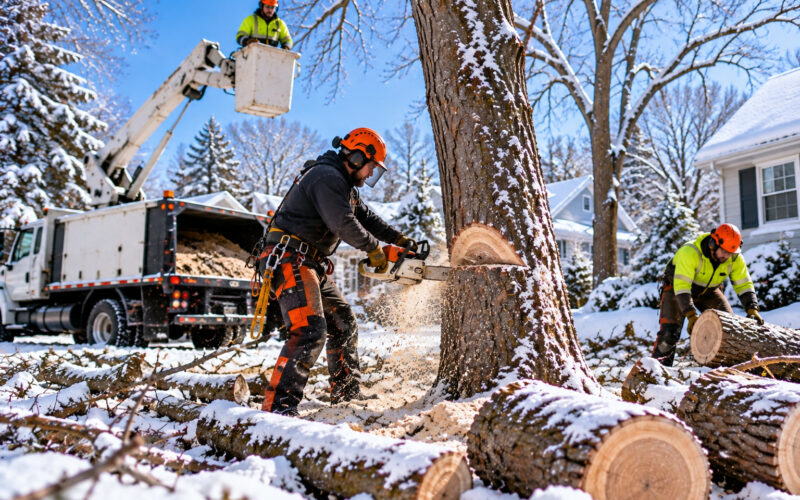
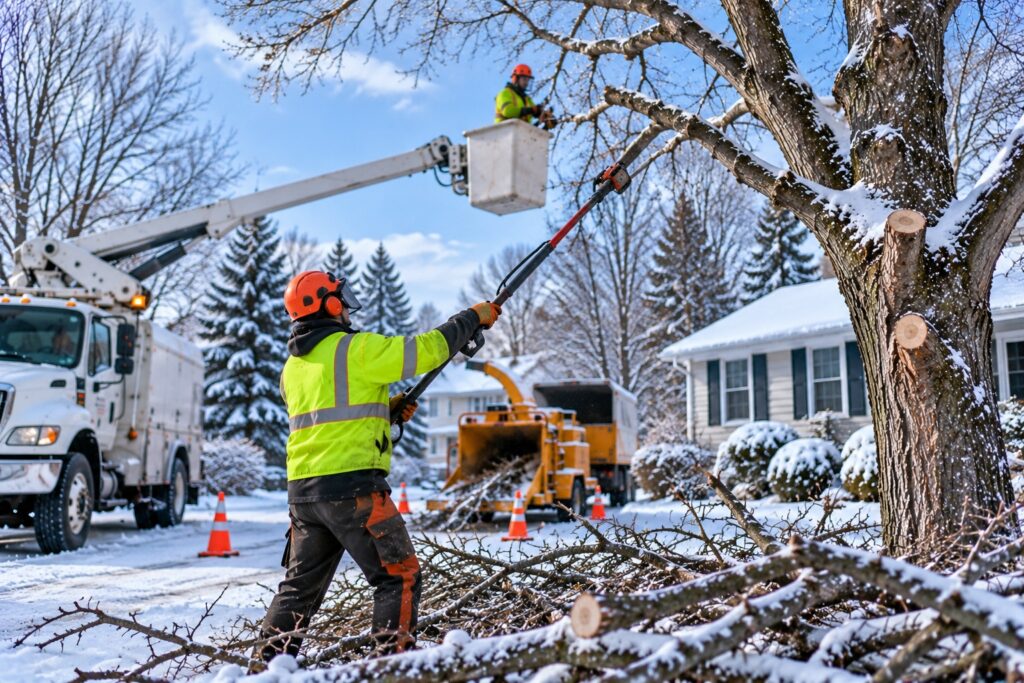
- Ice and snow make climbing and rigging more hazardous
- Frozen wood can be brittle and may split in unexpected ways
- Short daylight hours limit the working window
- Branches near power lines require qualified line-clearance workers
- Heavy limbs should be lowered with ropes, not dropped, to protect property
For these reasons, large limbs, tall trees, and anything near utility lines are best left to a trained tree trimming service Buffalo NY homeowners can call. Attempting this kind of work alone in icy conditions can lead to serious injury.
After the Work Is Done
Good aftercare is simple. Most clean cuts on healthy trees do not need wound paint or sealants. Instead, support the tree by watering during dry spells, keeping mulch a few inches away from the trunk, and watching for new problems after storms. Ask your tree trimming service about a follow-up check if the tree has shown stress or disease.
Choosing the Right Provider
Look for a tree trimming service that is licensed and insured, offers a written estimate, and is willing to explain its plan in plain language. Ask about experience with mature trees, how the crew protects your lawn and property, and whether clean-up is included. Choosing a local tree trimming service Buffalo NY residents recommend can also help, since crews familiar with the climate understand how species in the region respond to winter weather.
Highland Tree Service offers tree trimming Buffalo NY homeowners can schedule for seasonal care of mature trees, with clear estimates and a plan explained before the work begins.
Frequently Asked Questions
How often should mature trees be pruned? Most mature trees benefit from an inspection every year or two and pruning as needed, often every three to five years, depending on species and condition.
Is it okay to prune in the middle of winter? In many cases yes, especially for dormant trees, though timing depends on the species. A professional can recommend the best window.
Should I use wound paint after cutting? Generally no. Research shows trees seal wounds on their own, and paint can trap moisture. Proper cuts matter far more than sealant.
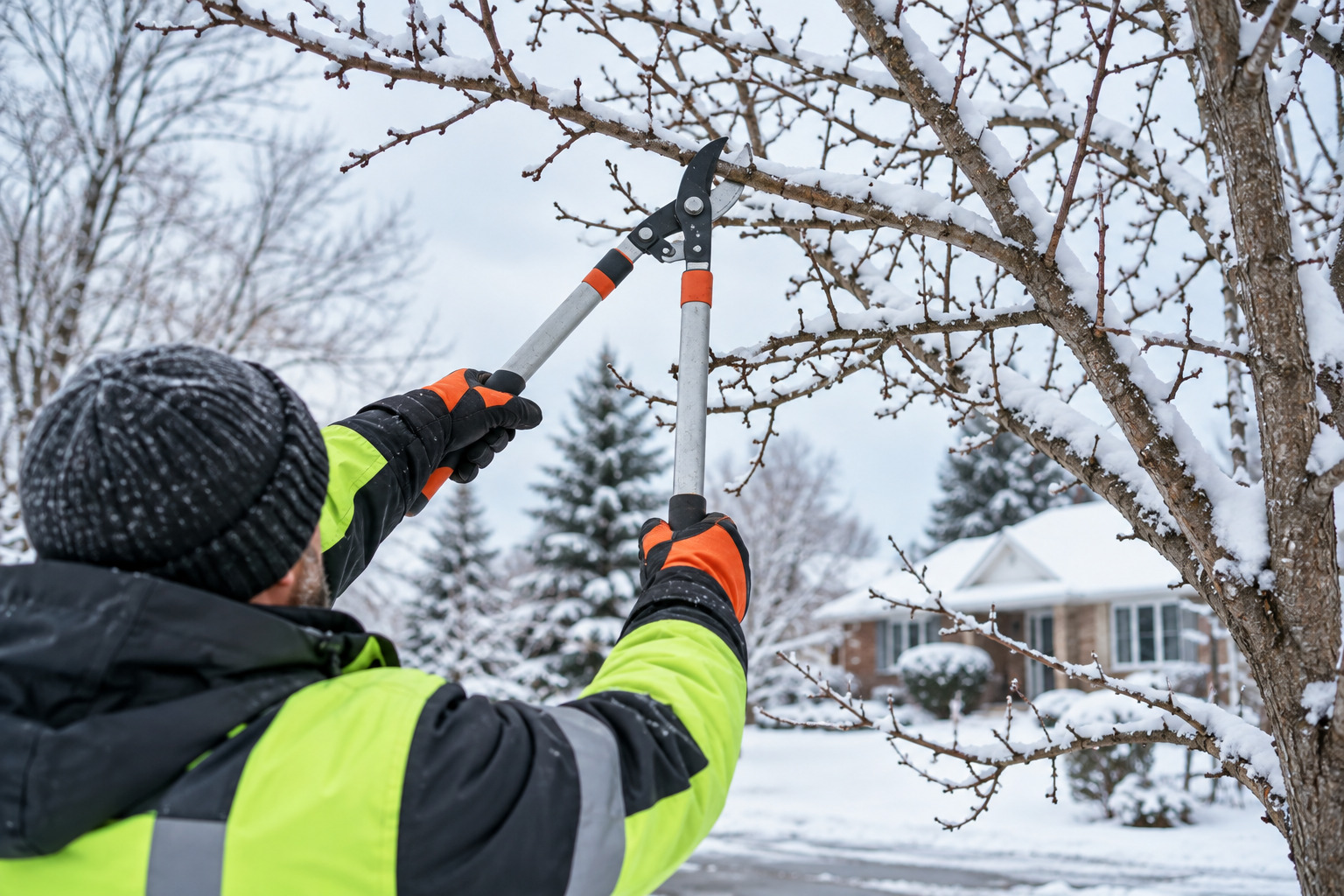
Can I prune large branches myself? Small branches within easy reach can be handled with proper tools. Large limbs, work at height, and anything near power lines should be left to professionals.
Will pruning make my tree grow back thicker? Correct pruning supports healthy growth. Heavy cuts, especially topping, can trigger dense, weak shoots that are more likely to break.
What is the best way to reduce storm damage risk? Regular inspections, removing deadwood, correcting weak unions, and thinning dense canopies all help reduce the chance of limb failure.
Final Thoughts
Mature trees reward careful care. Understanding smart pruning practices helps you recognize good work and avoid damaging shortcuts. With the right timing, sound technique, and a qualified tree trimming service, your older trees can get through winter in better shape and keep adding value to your property for years to come.