Table of Contents
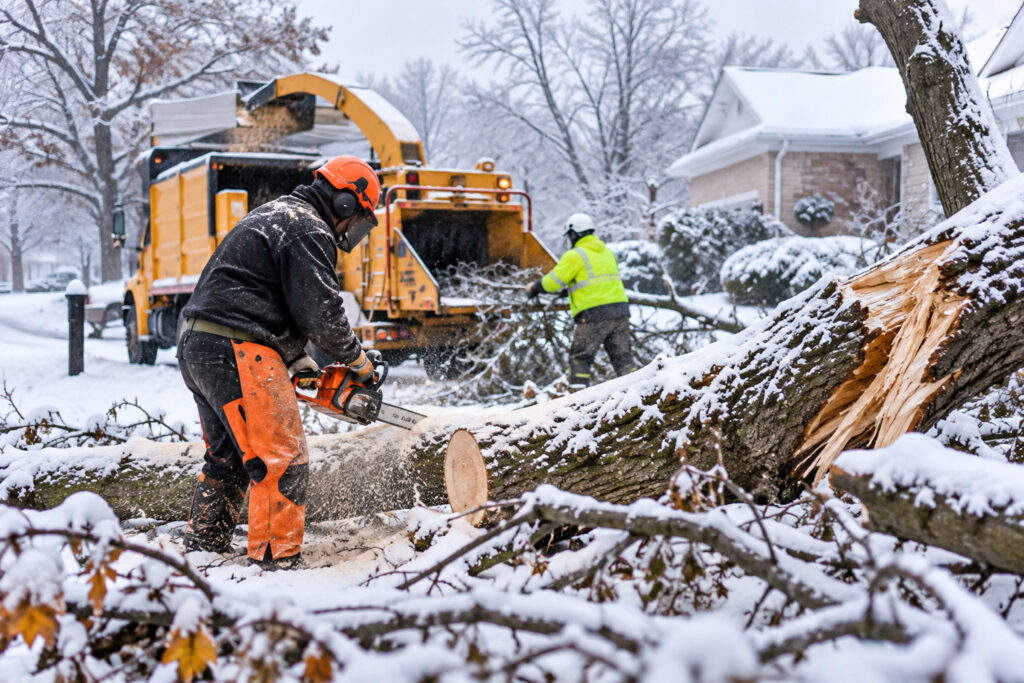
Winter in Western New York can leave trees weakened by ice, heavy snow, and strong winds. When a tree becomes unsafe, removal is sometimes the only responsible choice. A little planning before the crew arrives makes the project safer, faster, and easier on your property. This guide explains when removal makes sense, how to prepare your yard, and what to look for in a tree removal service from a provider you can trust. Whether the tree is damaged, diseased, or simply in the wrong place, careful preparation helps the whole job go smoothly.
When Is Tree Removal the Right Choice?
Not every problem tree needs to come down, but some situations call for it. Consider removal when you notice:
- Deep cracks or splits in the trunk
- A sudden or worsening lean
- Large dead or hanging branches throughout the canopy
- Hollow areas, fungus, or advanced decay at the base
- Roots that are exposed, lifted, or damaged by construction
- A tree growing too close to your home, roofline, or power lines
- Storm damage that cannot be repaired through pruning
An on-site evaluation from a qualified arborist is the best way to decide whether a tree can be saved. For tree removal Buffalo NY homeowners should always get a professional opinion before making a final decision.
Why Winter Can Work Well for Removal Projects
Many people assume tree work has to wait until spring, but winter offers real advantages.
- Frozen ground. Solid soil supports heavy equipment and reduces lawn damage.
- Better visibility. Bare branches make the tree’s structure easier to plan around.
- Less stress on nearby plants. Dormant landscaping is less likely to suffer from foot traffic and equipment.
- Flexible scheduling. Crews are often less busy than during spring and fall.
- Storm prevention. Taking down a hazard now prevents bigger problems later.
Emergency situations, such as a tree leaning on a house or blocking a driveway, should never wait for ideal conditions.
Understanding the Removal Process
Knowing what happens on removal day helps you feel more at ease.
- Inspection and estimate. The crew studies the tree, the surroundings, and access points.
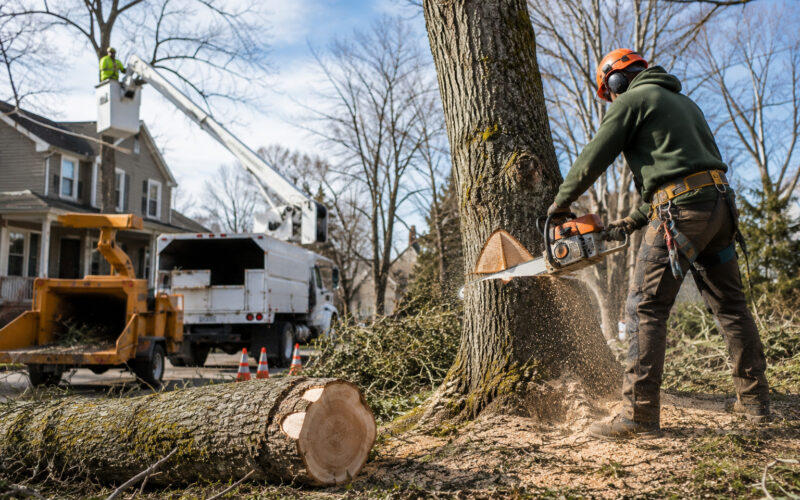
- Planning. They decide whether the tree can be felled whole or must be taken down in sections.
- Setup. Safety zones are established and equipment is positioned.
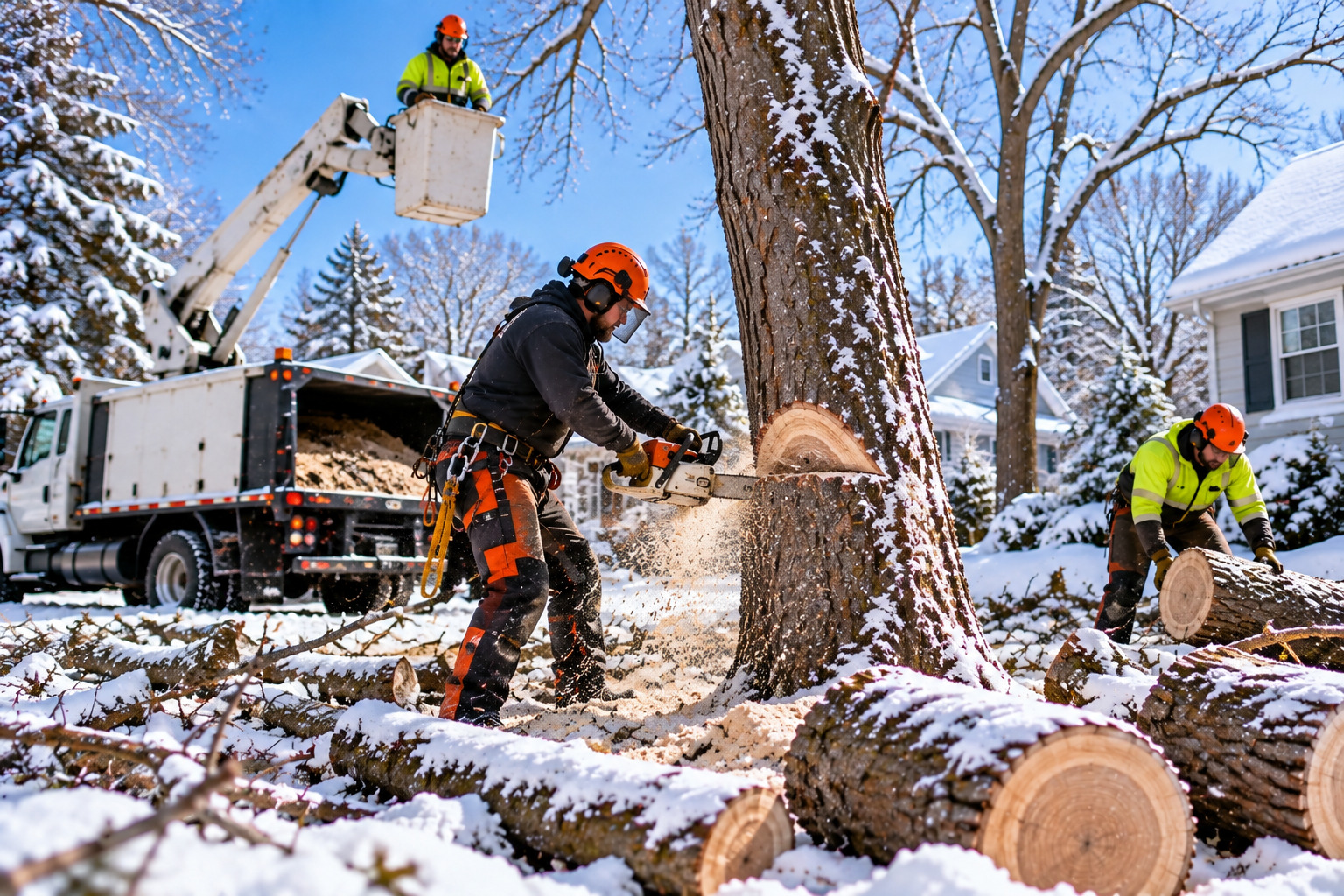
- Controlled removal. Ropes, rigging, and climbing gear guide each piece safely to the ground.
- Cleanup. Branches, logs, and debris are handled according to your agreement.
Trees near buildings, fences, or utility lines usually require sectional removal. It takes longer, but it gives the crew far greater control.
How to Prepare Your Yard Before the Crew Arrives
Good preparation protects your property and your family. Take these steps ahead of time:
- Shovel a clear path from the driveway to the tree.
- Move vehicles out of the driveway and away from the work area.
- Remove patio furniture, planters, grills, and decorations from the zone.
- Mark sprinkler heads, pet fences, and shallow irrigation lines.
- Confirm that underground utilities are marked, and call 811 before any digging.
- Keep children and pets indoors while equipment is running.
- Let neighbors know if the work may affect shared fences or driveways.
If the tree is near a fence or shed, mention it during the estimate so the crew can plan around it.
Protecting Your Lawn and Landscaping
Even careful work can disturb a yard, but a few precautions reduce the impact.
- Ask the crew to use plywood or ground protection mats where heavy equipment will travel.
- Wrap or cover delicate shrubs and garden beds near the work zone.
- Schedule removal when the ground is frozen if possible.
- Discuss where logs and chips will be placed during the job.
Winter conditions often make this easier, since frozen soil resists rutting and compaction.
Safety Rules for Homeowners on Removal Day
Tree removal is one of the riskiest outdoor jobs, so safety comes first.
- Stay well outside the marked work zone.
- Never stand under a tree or limb being cut.
- Do not try to help or direct the crew while equipment is running.
- Keep cell phones and distractions away if you are near the site.
- Avoid attempting do-it-yourself removal of large or damaged trees.
Falling limbs, tension in branches, and nearby power lines create dangers that only trained crews should manage.
What Affects the Cost
Every property is different, so estimates vary. A professional tree removal service will usually consider:
- Size and height. Larger trees need more time, labor, and equipment.
- Condition. Decayed or storm-damaged trees can be riskier to remove.
- Location. Trees near structures or power lines require extra precautions.
- Access. Narrow gates, slopes, and deep snow may call for specialized equipment.
- Cleanup and stump work. Hauling debris and grinding stumps can change the total.
For tree removal Buffalo NY customers should always request a written estimate that lists every task and what is included.
Stump Options After Removal
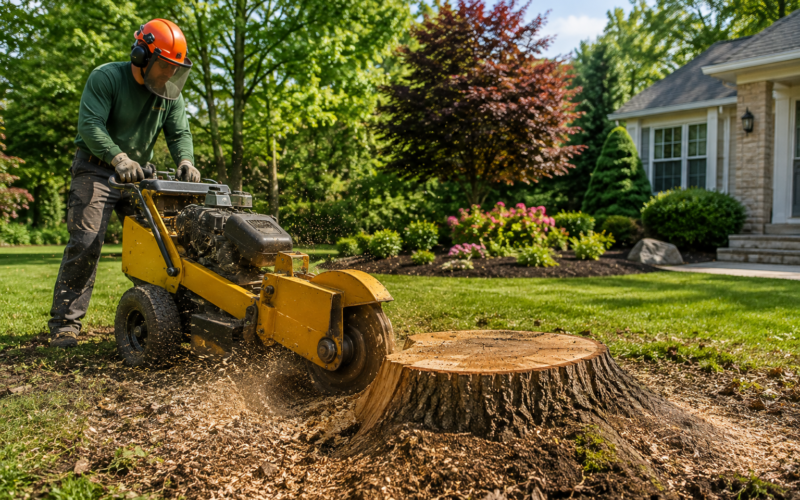
Once the tree is down, you will have a stump to deal with. Leaving it can attract insects, cause sprouting, and create a tripping hazard. Many homeowners choose stump grinding, which breaks the stump down below ground level and leaves wood chips you can reuse as mulch. Ask about this when you request your estimate so the work can be scheduled together.
Choosing a Qualified Tree Removal Service
Removing a tree is dangerous, and mistakes can be expensive. When comparing a tree removal service, look for these qualities:
- Proper licensing and liability insurance
- Workers’ compensation coverage for crew members
- Trained crews who follow recognized safety standards
- Clear written estimates with no hidden fees
- Positive reviews from nearby customers
- A willingness to explain the plan and answer questions
Be cautious of anyone who pressures you to sign immediately, asks for full payment upfront, or cannot show proof of insurance.
Permits and Local Rules
Some municipalities require permits for removing certain trees, especially those on public property or in protected areas. A local company that handles tree removal Buffalo NY residents request each year can usually explain which rules apply. It is still wise to check with your town or city office before work begins.
About Highland Tree Service
Highland Tree Service helps homeowners and businesses across the Buffalo area with pruning, hazardous tree removal, storm cleanup, and stump grinding. Our crews provide a tree removal service built on safe work, honest communication, and a tidy finish. Whether you have one damaged tree or several, we are happy to walk you through your options.
Frequently Asked Questions
How do I know if I need tree removal Buffalo NY properties often require?
Deep trunk cracks, a growing lean, widespread decay, and exposed or damaged roots are strong warning signs. A qualified arborist can inspect the tree and tell you whether it can be saved.
How long does a tree removal service take?
Many residential jobs take a few hours to a full day. Time depends on the tree’s size, condition, and surroundings.
Do I need to be home during the removal?
It helps to be available at the start to confirm which trees are coming down. After that, stay clear of the work zone.
Is winter a safe time for removal?
Yes. Frozen ground protects your lawn, and bare branches make planning easier. Emergency removals should be handled right away in any season.
Should I remove the stump too?
Stumps can attract pests and sprout new growth. Stump grinding is a common follow-up that clears the space for replanting or landscaping.
How do I book a winter tree service?
Contact a licensed local company, describe the trees involved, and request an on-site estimate. Booking early gives you more scheduling choices before the next storm.
Final Thoughts
A safe removal project starts long before the first cut. By learning the warning signs, preparing your yard, and choosing a qualified team, you protect your family, your home, and your landscape. With the right plan, even a difficult winter removal can go smoothly from start to finish.