Table of Contents
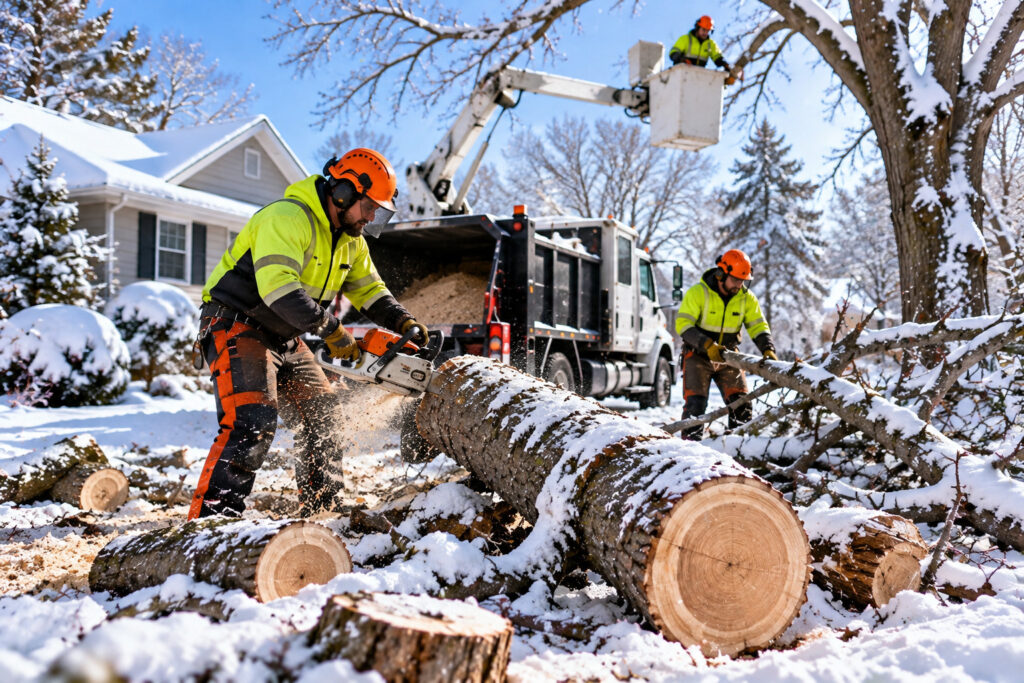
A tree can look healthy from the street and still be in trouble below the surface. Roots do the quiet work of anchoring and feeding a tree, and when they are damaged, the whole structure becomes less stable. In a place like Western New York, where winter brings heavy snow, ice, and strong wind, those hidden weaknesses matter even more. This guide explains how root damage and structural problems develop, how to spot them, and when tree removal Buffalo NY homeowners consider may be the safest choice. Knowing what a qualified tree removal service looks for can help you act before the first big storm.
Why Roots and Structure Matter
A tree’s stability depends on two things working together: a sound root system and a strong trunk and branch framework. If either one is compromised, the risk of failure rises. In winter, that risk grows because the tree has to carry extra weight and resist stronger forces.
Roots anchor the tree, absorb water and nutrients, and store energy. A large share of them sits within the top foot or two of soil, which makes them easy to damage without noticing.
Common Causes of Root Damage
Root problems rarely have a single cause. They usually build up over time. The most frequent culprits include:
- Construction or digging near the tree, which can sever roots
- Soil compaction from vehicles, equipment, or heavy foot traffic
- Grade changes that bury roots or expose them
- Poor drainage that leaves roots sitting in waterlogged soil
- Root rot and fungal disease
- Utility trenching, driveway installation, or patio work
- Road salt runoff that stresses roots near streets and sidewalks
Many of these issues happen during home projects, and the damage may not show for several years. A tree removal service Buffalo NY residents trust will often ask about past construction or landscaping work for exactly this reason.
Signs of Root Trouble You Can Check Yourself
You do not need special equipment to notice early warning signs. Walk around your trees and look for:
- A trunk that leans more than it used to
- Soil lifting or cracking on one side of the trunk
- Exposed or surface roots that look cut, torn, or decayed
- Mushrooms or conks growing near the base
- Thinning leaves, small leaves, or dieback in the upper canopy
- Sudden changes after a storm, such as a shift in the trunk angle
A tree that has begun to tilt after heavy rain or wind deserves prompt attention from a tree removal service or certified arborist. Leaning that develops suddenly is more concerning than a lean that has been there for decades.
Structural Defects That Raise the Risk
Even with healthy roots, the trunk and branches can have flaws that make failure more likely. Common structural defects include:
- Included bark, where two stems grow tightly together and form a weak union
- Large cracks or splits running along the trunk
- Hollow or decayed sections inside the trunk
- Co-dominant stems that compete for the same space
- Heavy limbs extending far from the trunk
- Old wounds that never sealed properly
Some of these defects can be managed with pruning or cabling, but others make a tree too unstable to keep safely, especially near a home, driveway, or play area. That is when tree removal Buffalo NY becomes a practical safety decision rather than a last resort.
How Winter Makes Existing Problems Worse
Cold weather adds several kinds of stress at once. Wet snow and ice increase the load on branches. Wind pushes against the canopy and levers the trunk against the roots. Frozen ground can make it harder for a damaged root system to hold, and repeated freezing and thawing may loosen soil around the base.
For this reason, tree removal Buffalo NY property owners schedule in fall is often less stressful than emergency work after a winter failure. A weakened tree that might survive a calm season can come down quickly in a heavy storm.
What a Professional Inspection Involves
When you call a tree removal service, the first step is usually an on-site assessment. A trained crew member will typically:
- Walk the tree and check the trunk, base, and visible roots
- Look at the canopy for deadwood, weak unions, and dieback
- Examine the soil for signs of heaving, compaction, or past disturbance
- Note what is within the tree’s fall zone, such as buildings, wires, and fences
- Explain the risks and recommend an option
Some assessments also use simple tools, such as a mallet to test for hollow sounds or a probe to check wood condition. The goal is a clear, honest recommendation, not a sales pitch.
Options to Consider Before Removal
Removal is not always the answer. Depending on what the inspection finds, a tree removal service Buffalo NY homeowners can call may suggest alternatives such as:
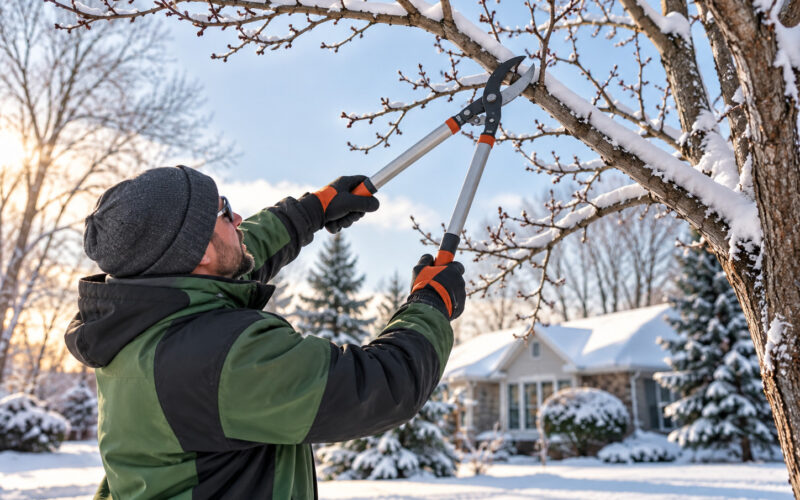
- Selective pruning to reduce weight and wind resistance
- Cabling or bracing to support weak unions
- Improving drainage or relieving soil compaction
- Mulching and watering to support recovery
- Regular monitoring and a follow-up inspection
These options work best when the roots are mostly intact and the structural problems are limited. When damage is extensive, they may only delay the inevitable.
When Removal Is the Safer Choice
Some situations call for taking the tree down. Consider removal when:
- A large share of the roots is cut, decayed, or lifted
- The trunk has deep cracks or major internal decay
- The tree leans toward a structure and the lean is getting worse
- Several structural defects are present together
- The tree is dead or dying
- A failure would threaten people or property
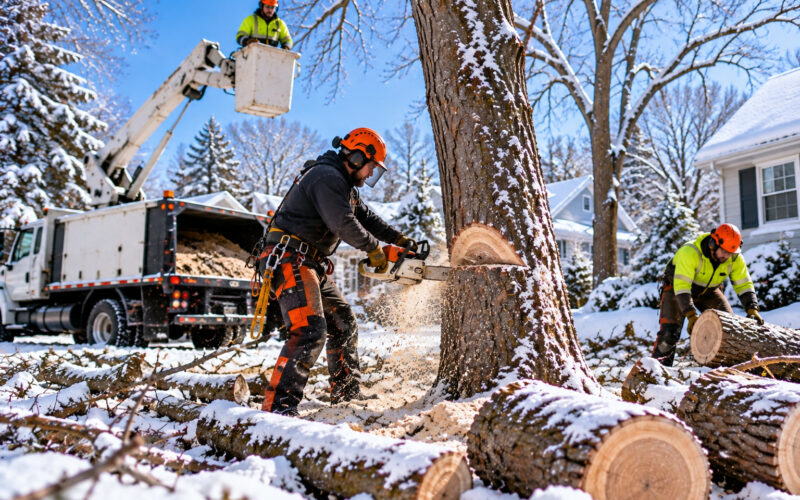
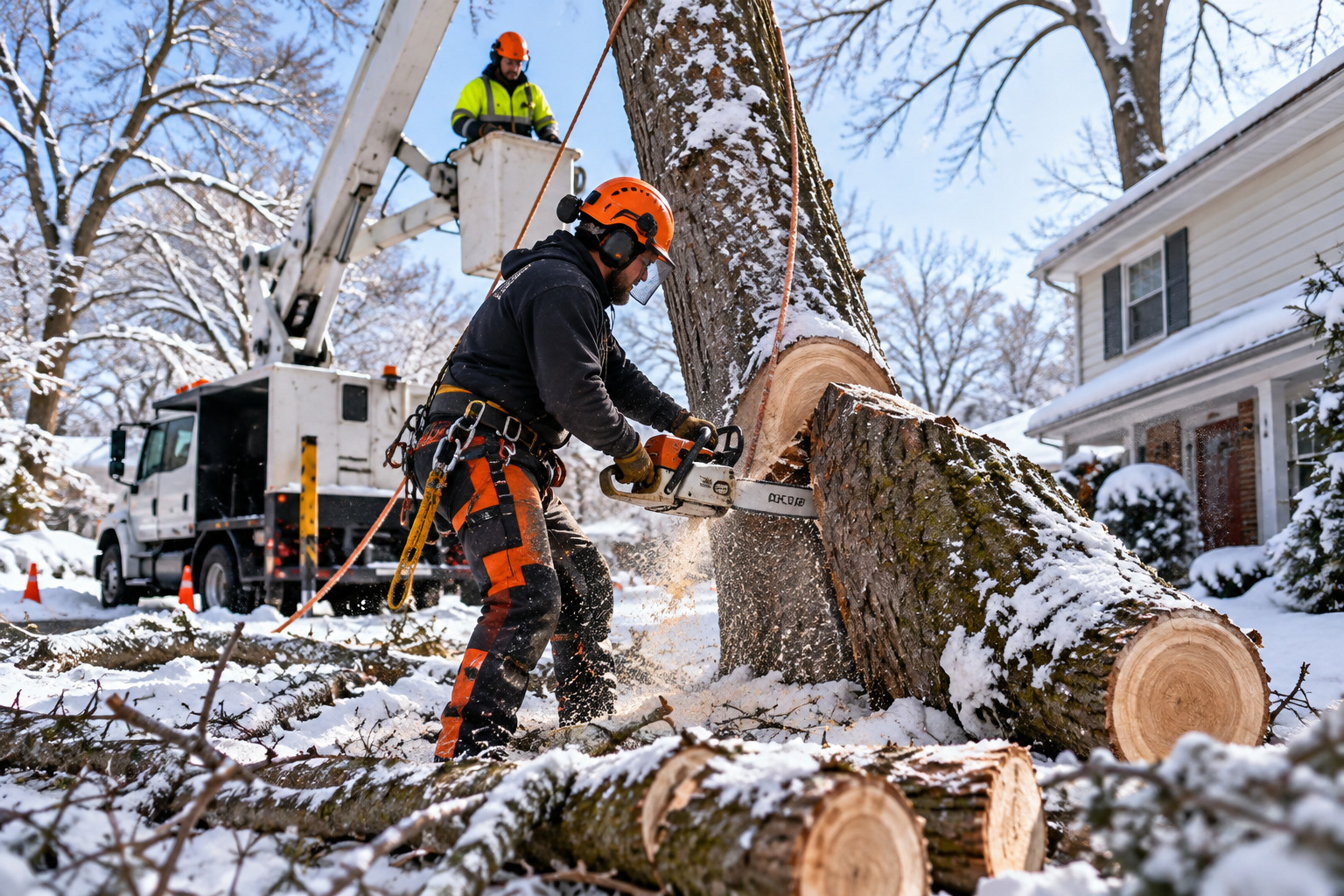
In these cases, tree removal Buffalo NY crews can plan the work safely, using ropes, rigging, or a crane when needed. Acting early usually gives you more control over timing and cost.
What Happens During Removal
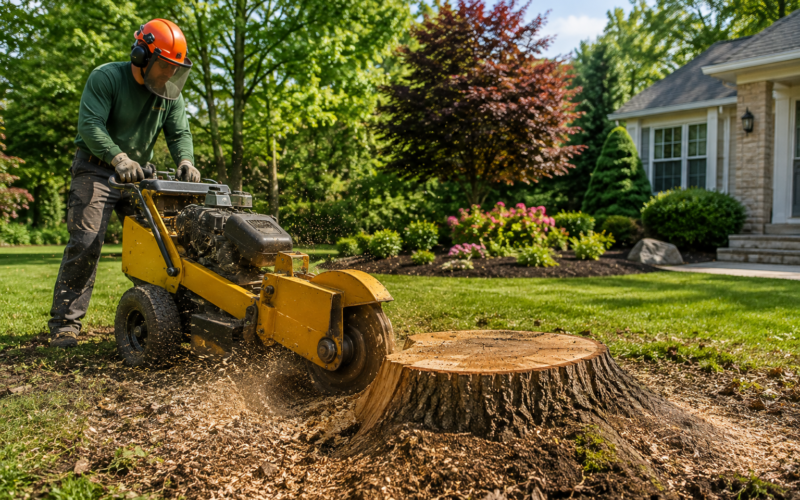
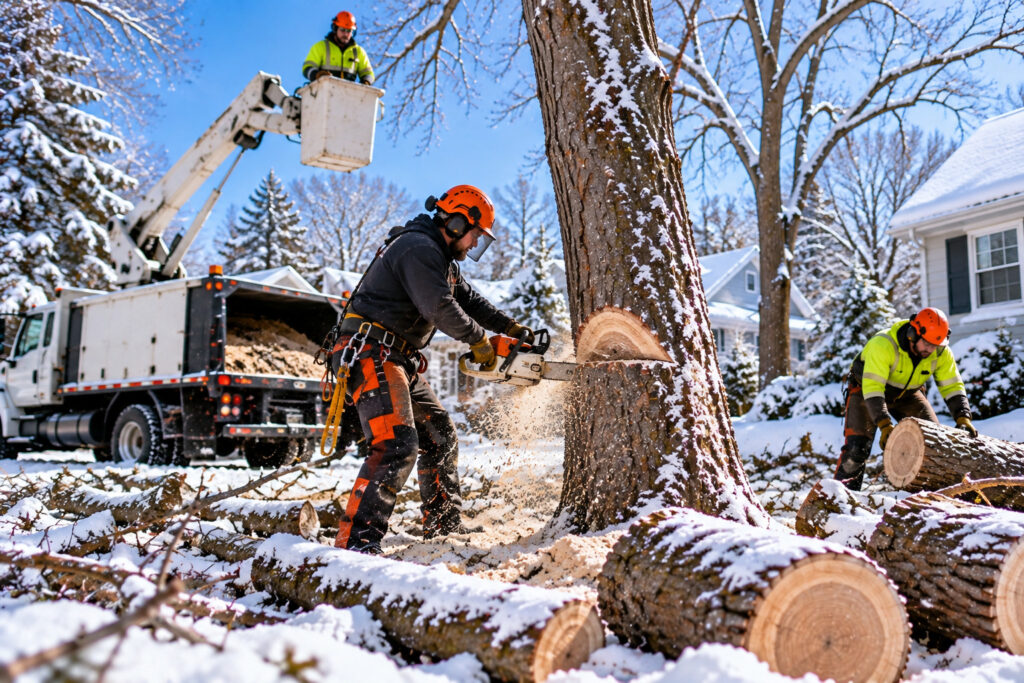
A professional job is organized and careful. Typically, the crew will set up a safety zone, protect nearby property, and take the tree down in controlled sections or as a single fall when space allows. Afterward, they remove debris and can grind the stump if requested. A reputable tree removal service will walk you through the plan, confirm the price in writing, and clean the site when finished.
Timing the Work Before and During Winter
Fall is generally an ideal time to schedule removal, since the ground is still workable and crews are less rushed. Winter work is possible too, and frozen ground can actually support heavy equipment. If a tree becomes dangerous during the season, a tree removal service Buffalo NY providers offer should be called right away rather than waiting for spring.
Choosing the Right Provider
Look for a company that is licensed and insured, gives written estimates, and explains its reasoning. A good tree removal service will welcome questions and will not pressure you to decide immediately. Ask for references, check local reviews, and confirm how clean-up and stump work are handled.
Highland Tree Service provides tree removal Buffalo NY homeowners can request after an on-site assessment, with options explained clearly so the decision fits the tree and the property.
Frequently Asked Questions
Can a tree with damaged roots be saved?
Sometimes. If the damage is limited and the tree is otherwise sound, care such as pruning, soil improvement, and monitoring may help. Extensive damage often makes removal the safer choice.
How do I know if a leaning tree is dangerous?
A sudden lean, soil lifting at the base, or cracks near the roots are warning signs. A professional inspection can confirm how serious the situation is.
Is it safe to wait until spring to deal with a risky tree?
If the tree threatens a structure or shows signs of failure, waiting through winter is risky. Snow, ice, and wind can bring it down at any time.
Can construction really harm a tree years later?
Yes. Roots cut or buried during construction can decline slowly, and symptoms may not appear for years.
Will my insurance cover a tree that fell because of root problems?
It depends on your policy and the cause. Coverage is often limited when damage stems from known decay or neglect, so check with your insurer.
What should I do if a tree begins to tilt during a storm?
Keep people and vehicles away, avoid the fall zone, and call a professional as soon as it is safe.
Final Thoughts
Roots and structure decide whether a tree stands or falls, and winter puts both to the test. Learning the warning signs, getting an inspection, and acting before storm season can protect your family and your property. When a tree has reached the point where safe removal is the best option, a qualified tree removal service can handle the job carefully and give you peace of mind.