Table of Contents
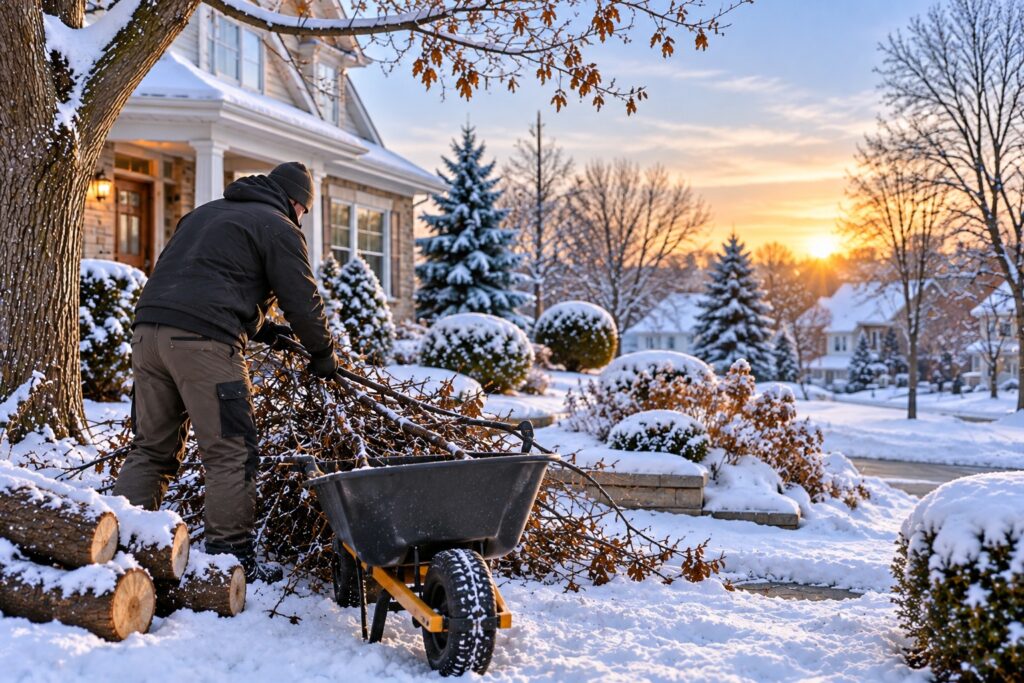
Buffalo winters don’t ease in gently. One week you’re raking leaves in a light jacket, and the next you’re watching lake-effect snow bury your driveway under two feet of white in a single afternoon. If your trees aren’t ready for that kind of whiplash, the results can be expensive and sometimes dangerous. That’s why so many homeowners start calling for Tree Service Buffalo NY companies the moment the first cold snap hits, instead of waiting until a branch is already through the roof.
At Highland Tree Service, we spend the fall months doing exactly this kind of prep work across Western New York neighborhoods. Below is our practical, no-fluff guide to getting your property ready before the snow flies including when to call in a professional Tree Service Buffalo NY crew versus what you can safely handle yourself.
Why Winter Prep Matters So Much in Buffalo
Western New York sits right in the path of lake-effect snow bands, and that combination of heavy, wet snow and sudden temperature swings is brutal on tree limbs. A branch that looks perfectly healthy in October can snap under three inches of wet snow in December if it’s already weak, poorly angled, or overloaded with deadwood.
A few reasons Buffalo trees need extra attention before winter:
- Wet, heavy snow accumulates fast on branches, adding hundreds of pounds of stress to limbs that weren’t a problem all summer.
- Ice storms are common in the region and coat branches in a layer that multiplies their weight several times over.
- High winds off Lake Erie can turn a weak or leaning tree into a real hazard for roofs, cars, and power lines.
- Freeze-thaw cycles stress root systems and can widen existing cracks in trunks and major limbs.
This is exactly why proactive Tree removal Buffalo NY and Tree trimming Buffalo NY services see a spike in demand every October and November — homeowners would rather deal with a problem now than during a January storm.
Step 1: Inspect Your Trees Before the First Frost
Before you think about pruning or removal, walk your property and look at each tree with a critical eye. You’re looking for warning signs that a tree might not survive the season without help.
Things to check for:
- Dead or hanging branches that could snap under snow load
- Cracks, splits, or cavities in the trunk
- Fungus growth at the base, which often signals root decay
- Branches rubbing against your roof, siding, or power lines
- Trees leaning noticeably more than they did last year
- Thin, sparse canopy compared to neighboring trees of the same species
If you spot two or more of these signs on a single tree, it’s worth having a professional take a closer look. A trained eye from an experienced Tree Service Buffalo NY provider can usually tell within minutes whether a tree needs simple maintenance or something more serious.
Step 2: Schedule Tree Trimming Before the Snow Arrives
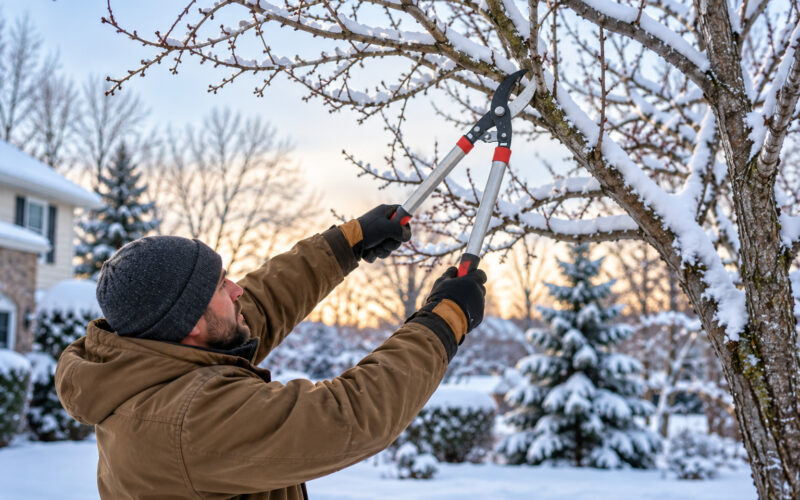
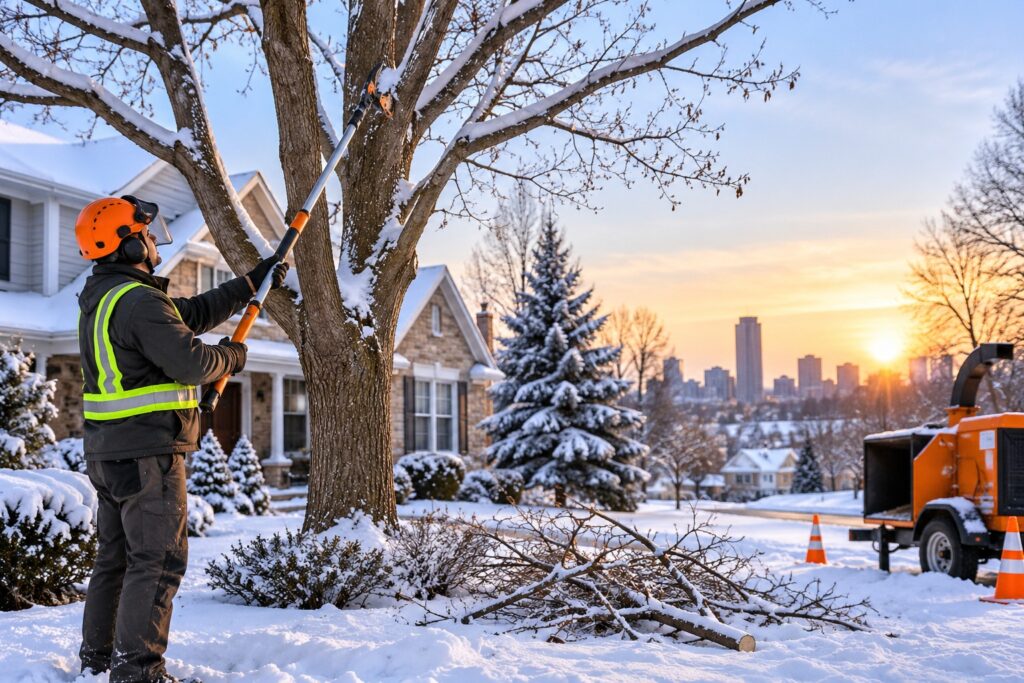
Late fall, after the leaves have dropped but before the ground freezes, is the ideal window for Tree Pruning Buffalo NY work. With the leaves gone, arborists can see the full branch structure clearly, which makes it easier to spot weak unions, crossing limbs, and deadwood that needs to come out.
Benefits of fall trimming include:
- Removing weak or dead limbs before snow adds extra weight
- Reducing the “sail effect” that lets wind catch a dense canopy
- Improving airflow and sunlight for healthier spring growth
- Lowering the risk of limbs falling on roofs, fences, or vehicles
- Making driveways and walkways safer during snow removal
Regular Tree trimming Buffalo NY service isn’t just cosmetic — it’s one of the most cost-effective ways to prevent emergency callouts once the storms actually hit. A tree that’s been properly pruned in November is far less likely to end up as a 2 a.m. emergency in February.
Step 3: Know When It’s Time for Tree Removal
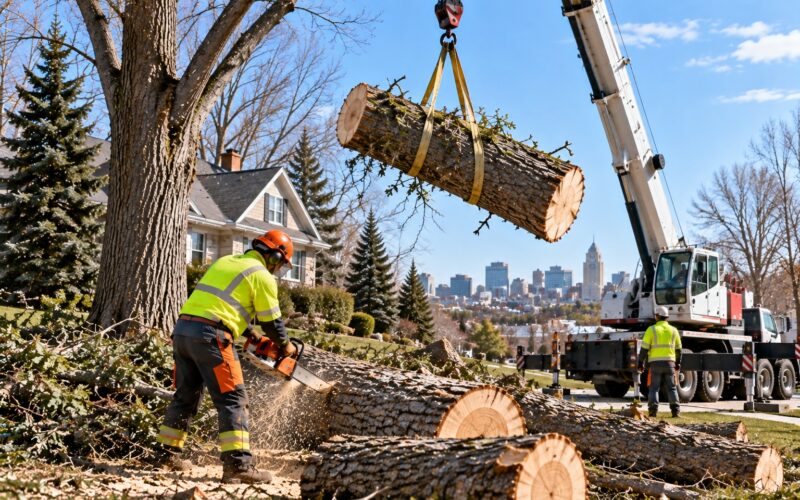
Sometimes trimming isn’t enough, and pretending otherwise just delays the inevitable. If a tree is dead, severely diseased, structurally compromised, or leaning toward your house, garage, or power lines, removal before winter is almost always the safer and cheaper choice.
Signs it may be time to schedule Tree removal Buffalo NY service:
- More than 50% of the canopy is dead or dying
- The trunk has large vertical cracks or is hollow
- Roots have been damaged by construction, flooding, or disease
- The tree is growing dangerously close to power lines
- Mushrooms or fungal conks are present at the base, indicating internal decay
- The tree has already dropped large limbs in recent storms
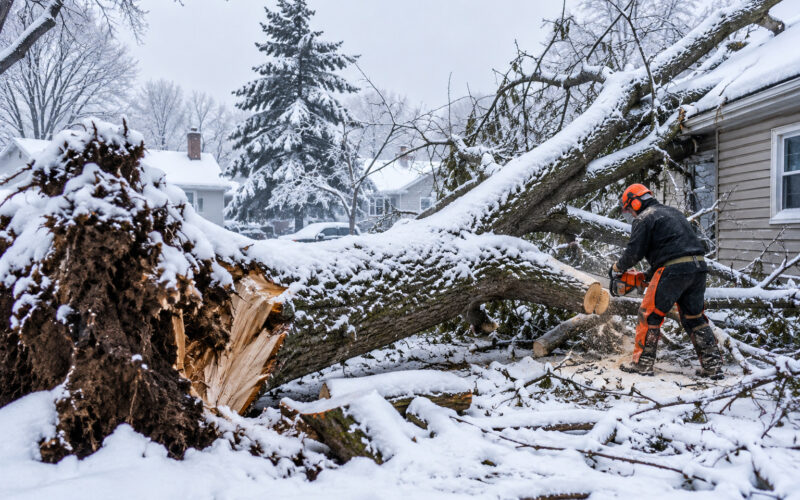
Removing a hazardous tree in October or November, while the ground is still workable and equipment can access your yard easily, is far less stressful than dealing with a compromised tree buried in snow and ice. Waiting until winter often means higher costs and longer wait times, since every Tree Service Buffalo NY company gets flooded with emergency calls the moment a storm hits.
Step 4: Don’t Skip Stump Grinding
If you’ve had a tree removed earlier this year, or you’re planning removal before winter, don’t leave the stump behind. Leftover stumps aren’t just an eyesore — they can become a genuine hazard once snow covers your yard, hiding a tripping obstacle from anyone walking or shoveling near it.
Reasons to schedule Stump Grinding Buffalo NY service before the ground freezes:
- Grinding is much harder (and more expensive) once the soil freezes solid
- A buried stump under snow becomes a hidden hazard for foot traffic and snowblowers
- Old stumps can attract pests looking for a warm place to overwinter
- Clearing stumps now means a clean, usable yard as soon as spring arrives
- Decaying stumps can sometimes spread disease to nearby healthy trees
Grinding a stump in the fall, while the ground is still soft, is a quick job for an experienced crew. Wait until January, and you may be stuck looking at that stump and the hazard it creates until spring thaw.
Step 5: Protect Young and Newly Planted Trees
If you’ve planted young trees in the past year or two, they need a bit of extra care heading into their first or second Buffalo winter. Their root systems and bark are still developing and can be vulnerable to cold, wind, and hungry wildlife.
A few simple steps go a long way:
- Add 2–3 inches of mulch around the base to insulate roots (keep it away from direct trunk contact)
- Wrap trunks with tree guards to prevent frost cracking and animal damage
- Stake young trees that are still establishing a strong root system
- Water deeply before the ground freezes, since dry roots handle winter stress poorly
- Avoid heavy pruning on very young trees; save major shaping for once they’re established
Step 6: Plan Ahead Instead of Reacting to a Storm
The homeowners who have the smoothest winters are usually the ones who called a Tree Service Buffalo NY company in October, not the ones scrambling for an emergency crew during a February ice storm. Scheduling trimming, removal, or stump grinding ahead of the first hard freeze means:
- Better availability and scheduling flexibility
- Lower costs compared to emergency winter service
- Equipment can still access soft, unfrozen ground
- Peace of mind heading into storm season
If you’re not sure whether your trees need attention this year, a quick property walkthrough with a professional is worth the hour. It’s a lot cheaper than a fallen limb on your roof in January.
Frequently Asked Questions
When should I schedule tree trimming before winter?
Late October through November is the ideal window. The leaves have dropped, making structural issues easy to spot, and the ground is still soft enough for equipment to move safely around your property.
Is it safe to remove a tree once it’s snowing?
It’s possible, but far more difficult and expensive. Frozen ground, reduced visibility, and slippery conditions all add risk and time to the job. Removing hazardous trees before the first snowfall is almost always the better choice.
Can stump grinding be done in freezing temperatures?
It becomes significantly harder once the soil freezes solid, since grinding equipment struggles to get a clean cut and the surrounding ground is harder to restore. Fall is the best window for stump grinding in Buffalo.
How do I know if my tree needs to be removed instead of just trimmed?
Look for major indicators like large trunk cracks, a hollow base, more than half the canopy dead, or fungal growth near the roots. If you’re unsure, a professional inspection can usually settle it within minutes.
Does snow load really damage healthy trees?
Yes, especially wet, heavy snow combined with ice. Even healthy trees can lose limbs under enough weight, though proper trimming significantly reduces that risk by removing weak points before the season starts.
How often should trees be pruned in the Buffalo area?
Most established trees benefit from pruning every 2–3 years, though younger trees or trees near structures and power lines may need more frequent attention. An annual fall inspection helps catch problems early.
Is emergency tree service available during winter storms?
Yes, most Buffalo tree service companies, including Highland Tree Service, offer emergency response for storm-damaged or fallen trees. That said, response times and costs are typically better when problems are addressed proactively in the fall.