Table of Contents
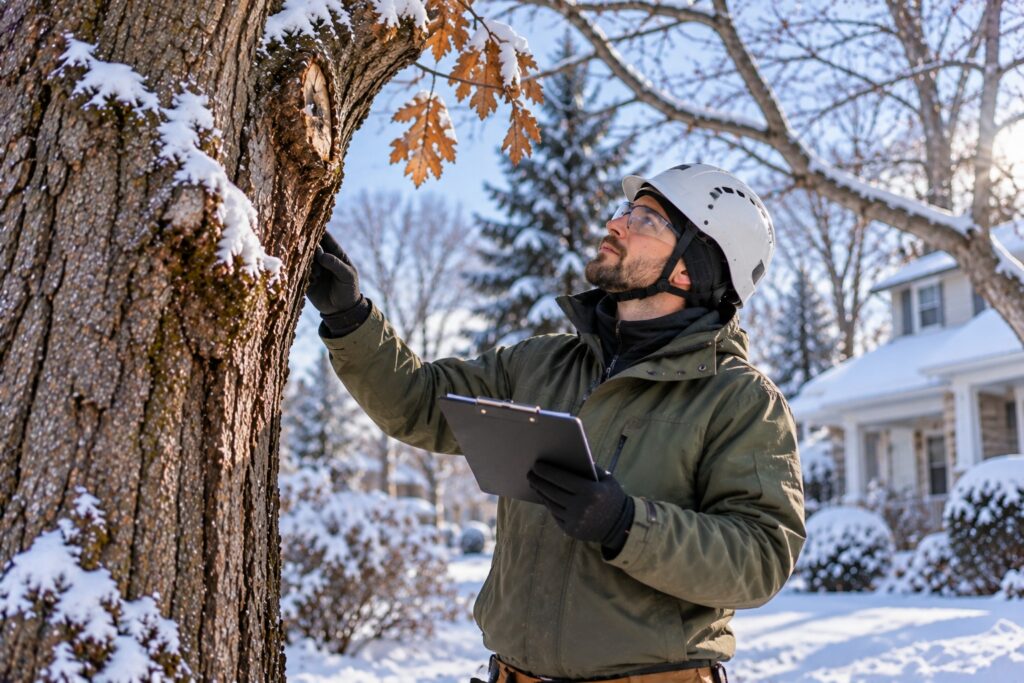
Winter in Western New York is hard on trees, and much of the stress starts below the surface. Frozen ground, road salt, heavy snowmelt, and compacted soil can weaken roots long before a branch ever cracks. That is why an experienced Arborist Buffalo NY homeowners trust will look at the soil as closely as the canopy. This guide explains how soil conditions affect long-term tree health, which winter services help, and how to choose the right professional.
Why Soil Matters More Than Most People Think
Roots do far more than hold a tree upright. They absorb water, take in nutrients, and store the energy a tree needs for spring growth. Healthy soil supports all of that.
- Oxygen. Roots need air pockets in the soil to function properly.
- Water balance. Soil should hold enough moisture without staying soggy.
- Nutrients. Trees pull minerals from the soil to build strong wood and leaves.
- Microbial life. Beneficial organisms help roots absorb water and resist disease.
- Stability. Loose, saturated, or shallow soil can make a tree more likely to lean or fall.
How Winter Changes Soil Conditions
Cold weather changes the ground in ways many property owners never notice.
- Frozen soil limits how much water roots can absorb.
- Repeated freezing and thawing can heave soil and expose shallow roots.
- Plowed snow piles can compact the ground and smother roots beneath them.
- Road salt washing into lawns can build up in the soil and burn root tissue.
- Rapid snowmelt can saturate soil and cause drainage problems.
Because these changes happen out of sight, a local arborist Buffalo NY residents call in winter will often check the root zone, drainage patterns, and mulch depth along with the branches.
Common Soil Problems That Harm Trees
Soil Compaction
Foot traffic, plowing, parked vehicles, and construction press soil particles together, leaving little room for air and water. A certified Arborist Buffalo NY property owners consult can recommend aeration or protective mulch rings to reduce the damage.
Poor Drainage
Standing water starves roots of oxygen and invites root rot. Trees planted in low spots or heavy clay are especially at risk during spring thaw.
Road Salt Exposure
Trees near driveways, sidewalks, and streets can absorb salt over time. Symptoms often show up months later as leaf scorch, thin canopies, or dieback.
Nutrient Imbalance
Soil that is too acidic, too alkaline, or low in key nutrients can slow growth and make trees more vulnerable to pests and disease.
Winter Tree Services That Support Root and Soil Health
Many winter services protect both what you can see and what you cannot.
Mulching
A layer of mulch two to four inches deep insulates roots, helps retain moisture, and reduces compaction. Keep it a few inches away from the trunk so the bark stays dry.
Dormant Pruning
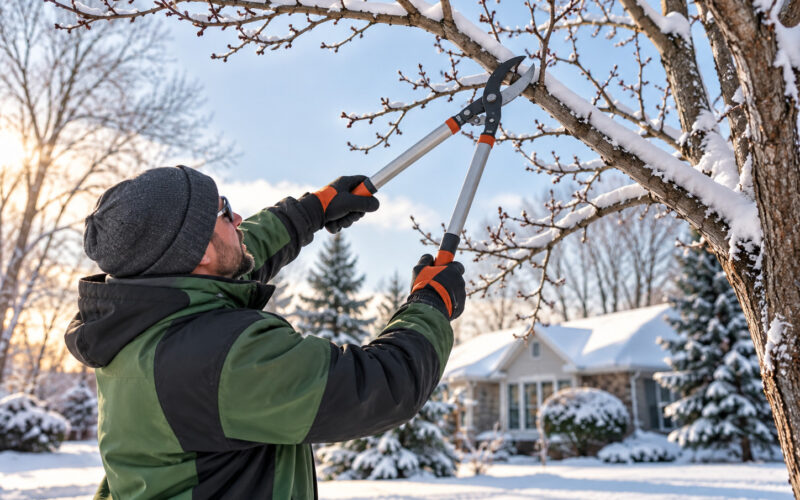
Removing dead or crossing branches while the tree is dormant lightens the load on limbs and reduces stress on the whole tree, including the roots.
Hazard Assessment
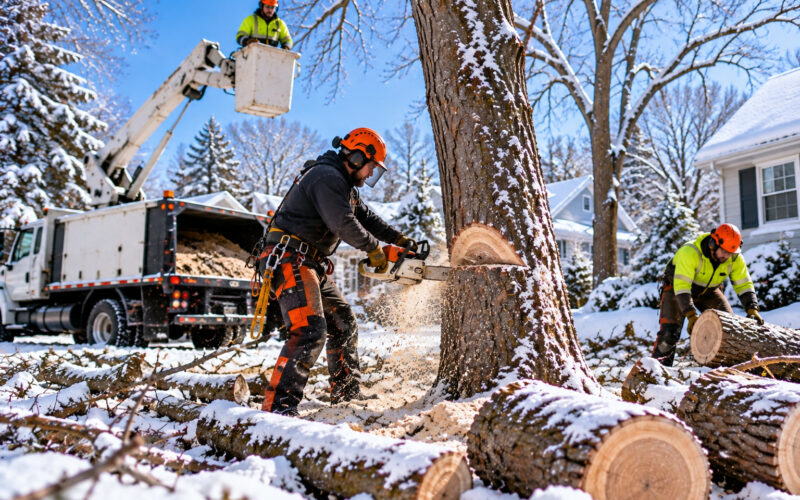
Trees with heaving soil, exposed roots, or a recent lean should be evaluated before the next major storm.
Stump Grinding
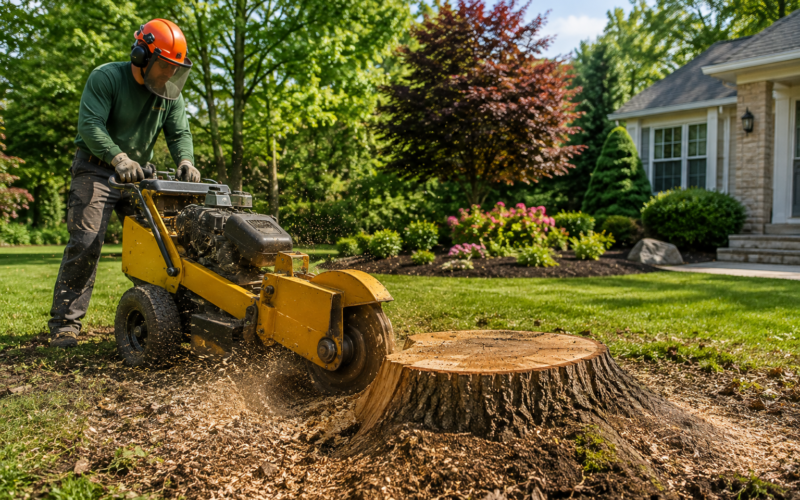
Leftover stumps can attract pests and sprout unwanted shoots. Grinding them below ground level clears space for healthier plantings and restores usable soil.
Not every property needs every service. An Arborist Buffalo NY crew will usually recommend a plan based on tree species, age, and site conditions.
Signs of Soil-Related Stress
Watch for these warning signs during and after the cold months:
- Thinning leaves or early leaf drop the previous season
- Branch tips that die back
- Mushrooms or fungus near the base
- Soil that is hard, crusty, or constantly wet
- Roots rising above the surface
- A trunk that leans more than it used to
- White crust or salt residue near driveways and walkways
If several of these signs appear, schedule a visit with an arborist Buffalo NY providers offer as soon as the weather allows.
What a Winter Tree Inspection Looks Like
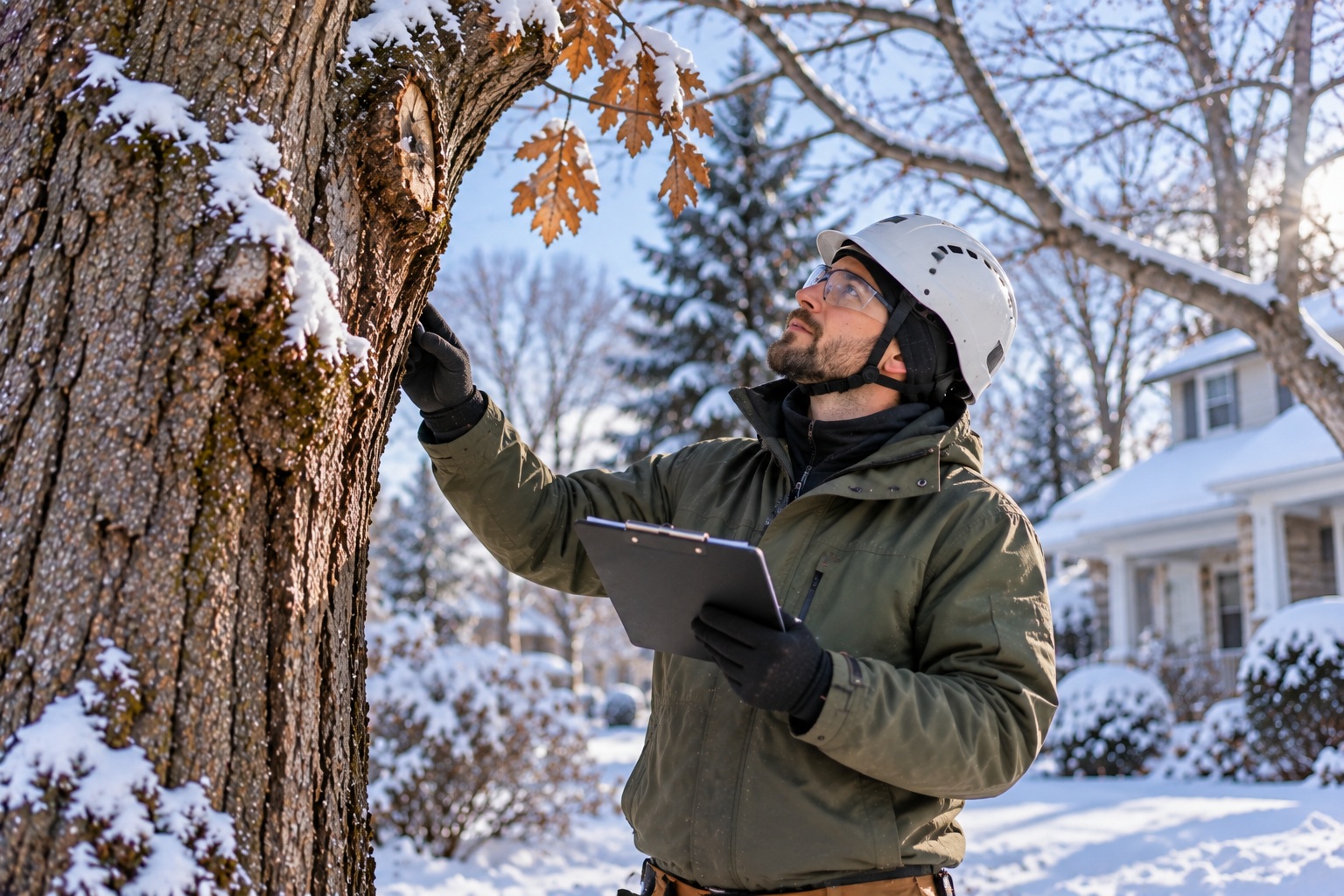
During a winter visit, the arborist Buffalo NY homeowners book will usually follow a clear process:
- Walk the property and note the species, age, and condition of each tree
- Examine the base, root flare, and surrounding soil
- Check drainage, mulch depth, and signs of compaction
- Look for dead wood, cracks, and weak branch unions
- Explain findings and recommend a prioritized plan
You should receive a written estimate that lists each task and what is included.
How to Protect Your Soil This Winter
A few simple habits make a real difference:
- Avoid piling plowed snow against tree trunks.
- Use pet-safe, tree-friendlier de-icing products, or sand, near trees.
- Keep vehicles and heavy equipment off the root zone.
- Add mulch where it has thinned, but never pile it against the trunk.
- Redirect downspouts and runoff away from tree bases.
Why Local Knowledge Matters
Soils across the region range from heavy clay to sandy loam, and lake-effect weather adds its own challenges. Choosing a local Arborist Buffalo NY team means working with people who understand how these conditions affect different tree species. Local crews also know permit rules, utility coordination, and which trees tend to struggle in this climate.
Choosing the Right Arborist Buffalo NY Provider
Quality and safety matter when large trees and heavy equipment are involved. Look for these qualities:
- Proper licensing and liability insurance
- Workers’ compensation coverage
- Trained crews who follow safety standards
- Clear written estimates with no hidden fees
- Positive reviews from nearby customers
- Willingness to explain the work and answer questions
When comparing arborist Buffalo NY companies, ask for proof of insurance and a description of how they will protect your lawn and soil during the job. Be cautious of anyone who pressures you to decide immediately.
About Highland Tree Service
Highland Tree Service helps homeowners and businesses across the Buffalo area with pruning, hazardous tree removal, storm cleanup, and stump grinding. Our team provides arborist Buffalo NY services built around safe work, honest communication, and a tidy finish, whether you need a single inspection or a full property plan.
Frequently Asked Questions
What does an arborist Buffalo NY homeowners hire actually do?
An arborist inspects trees, diagnoses problems, prunes, removes hazardous trees, and recommends care plans. Many also assess soil, drainage, and root health.
Can soil problems be addressed in winter?
Some can. Mulching, protecting the root zone, and planning drainage fixes can happen in winter, while tasks like aeration or soil amendments are often better once the ground thaws.
Does road salt really hurt trees?
Yes. Salt can dry out roots and interfere with water uptake. Keeping salt away from tree bases and flushing the area in spring can help.
How often should I schedule an Arborist Buffalo NY inspection?
Most trees benefit from a yearly check, and older trees or those near structures may need more frequent attention, especially after major storms.
Is winter a good time for mulching?
It can be, as long as the ground is workable. Mulch insulates roots and reduces moisture loss, but it should never be piled against the trunk.
How do I book a winter tree service?
Contact a licensed arborist Buffalo NY company, describe your trees and concerns, and request an on-site estimate. Booking early gives you more scheduling options before the next storm.
Final Thoughts
Strong trees begin with healthy soil. By protecting the root zone, scheduling dormant pruning, and working with a trusted arborist Buffalo NY property owners can rely on, you give your trees a better chance of staying safe and healthy for decades.