Table of Contents
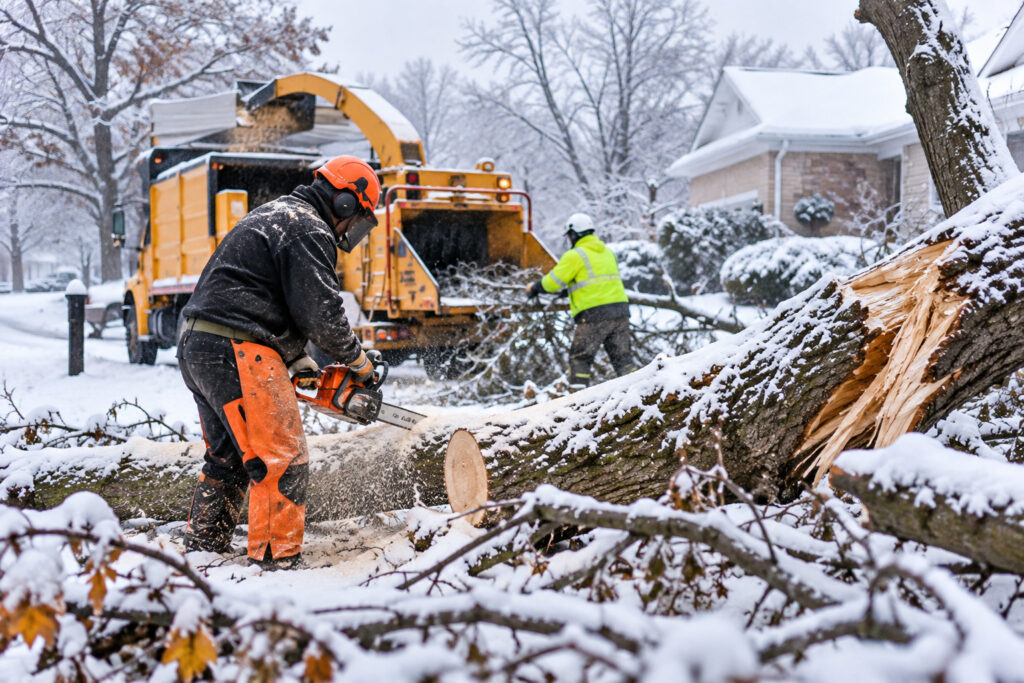
Winter storms in Western New York can turn a quiet night into a genuine emergency fast. Heavy snow, ice accumulation, and powerful winds off Lake Erie are a reliable recipe for downed trees and broken limbs. Knowing what to expect from emergency tree removal Buffalo NY services before a storm hits can help you respond quickly and safely if disaster strikes your property this season.
Why Winter Storms Create More Emergencies
Several factors specific to winter weather make tree failures more common and more sudden during this time of year. Understanding these risks helps explain why emergency tree removal calls tend to spike during storm season:
- Wet, heavy snow adds substantial weight to branches and canopies
- Ice coating increases pressure on already weakened limbs
- High winds combined with snow-laden branches create unpredictable failures
- Frozen ground can shift root stability during strong gusts
- Reduced visibility and daylight make hazards harder to spot in advance
These combined pressures mean trees that seemed stable in fall can fail suddenly once winter conditions set in.
Situations That Typically Require Emergency Tree Removal
Not every winter storm results in an emergency, but certain situations clearly call for immediate action. Emergency tree removal is typically necessary when:
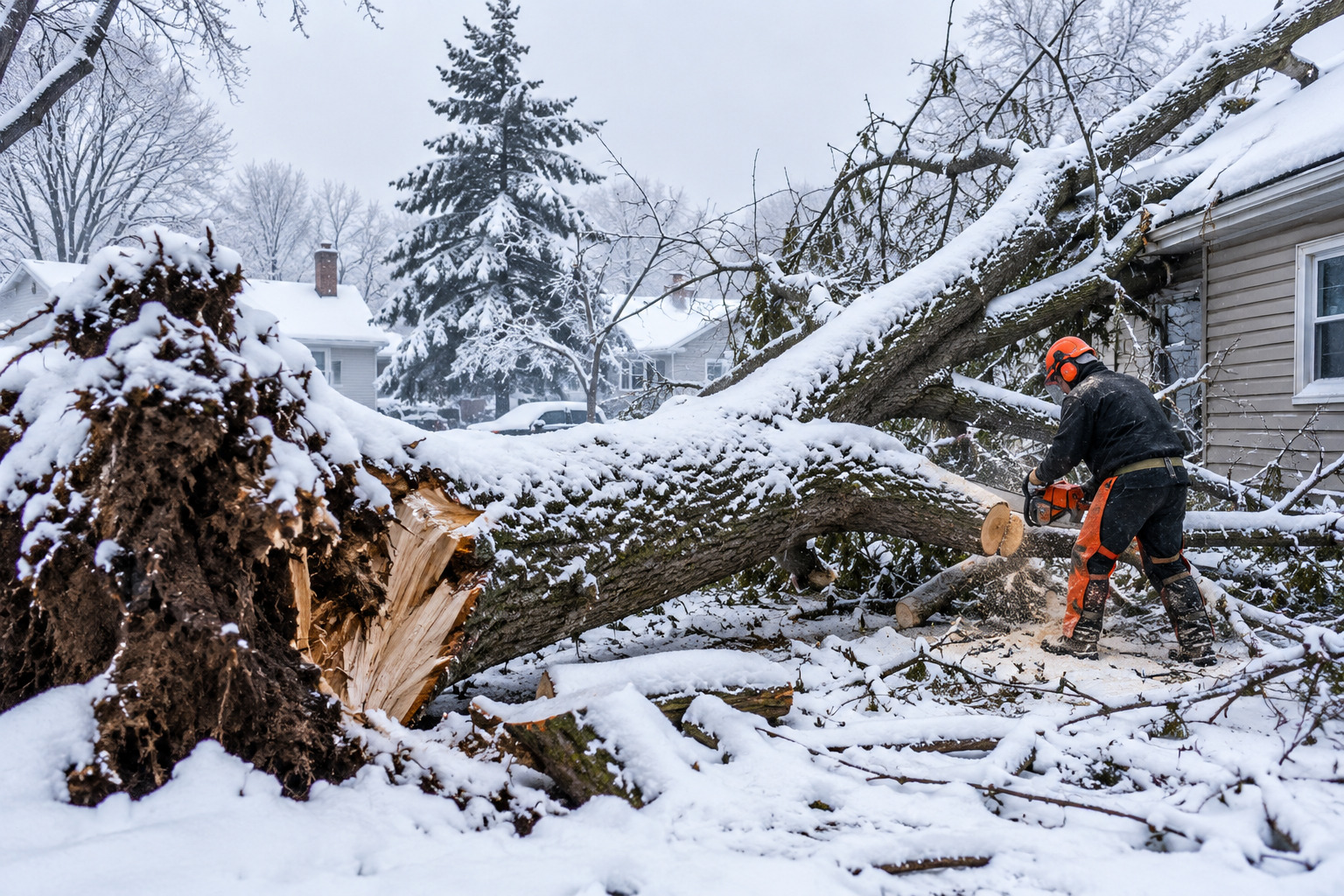
- A tree has fallen onto a home, garage, or vehicle
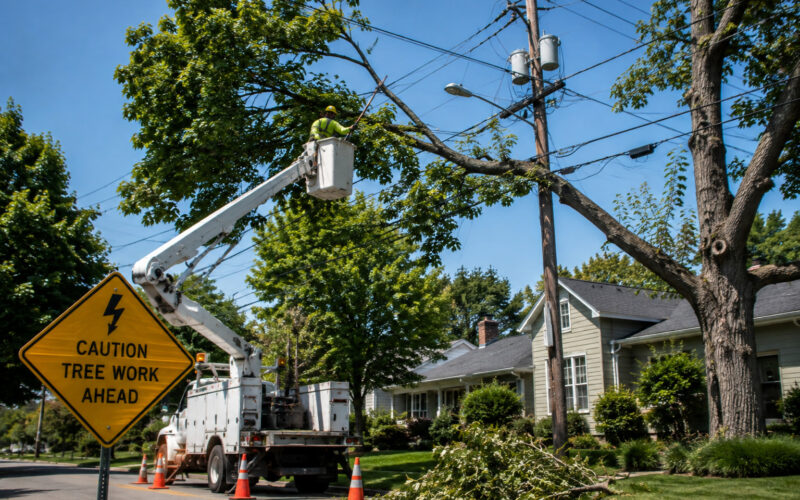
- A large limb is resting on power lines or blocking a driveway
- A trunk has split and appears likely to fail further
- Downed trees are blocking a road or emergency access point
- A tree is visibly leaning toward a structure after high winds
If you encounter any of these situations, contacting a provider offering emergency tree removal Buffalo NY residents can count on should be your first step, not a last resort after trying to handle it yourself.
What to Do Immediately During a Storm
If you notice a hazardous tree during an active storm, safety should always come first. Consider these steps:
- Stay indoors and away from windows near large trees if possible
- Avoid going outside to inspect damage until the storm has passed
- Keep children and pets away from areas near leaning or damaged trees
- Note which areas of your property seem most at risk for future reference
- Avoid using candles or open flames if a tree has damaged power lines
Taking action after the storm has passed, rather than during active conditions, keeps you and your family safer while still allowing for a quick response once it’s safe to assess the damage.
What to Do After the Storm Passes
Once conditions have calmed down, it’s time to assess the situation and reach out for help if needed. Steps to take include:
- Carefully inspect your property from a safe distance, avoiding downed power lines
- Take photos of any damage for insurance purposes before cleanup begins
- Contact a provider offering emergency tree removal for an immediate assessment
- Avoid attempting to move large branches or unstable trees yourself
- Report any downed power lines to your utility company right away
Documenting the damage early helps streamline both the removal process and any insurance claims that may follow.
How Emergency Tree Removal Buffalo NY Services Typically Respond
When you call for emergency assistance, a reliable provider should move through a clear process designed for speed and safety. This typically includes:
- An initial phone assessment to understand the severity of the situation
- Dispatching a crew equipped for the specific hazard involved
- Securing the area to prevent further damage or injury
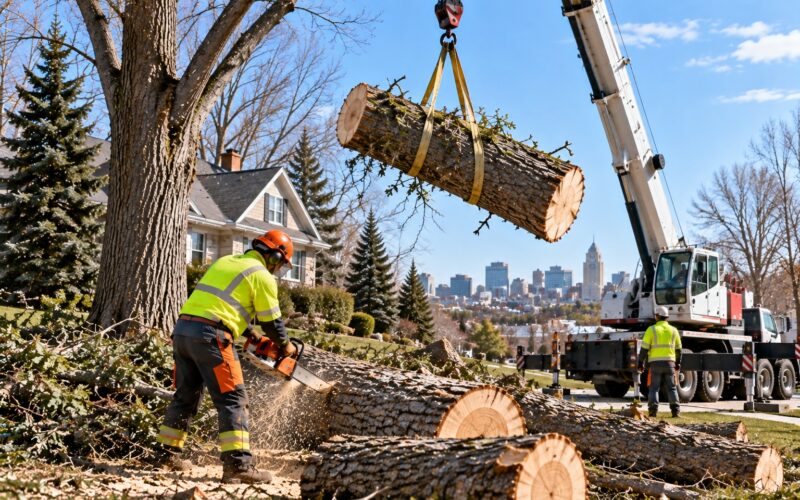
- Safely removing the immediate hazard, whether a full tree or a dangerous limb
- Coordinating with utility companies if power lines are affected
- Providing follow-up recommendations for any remaining storm damage
Understanding this process ahead of time can help you know what to expect when you make that call during a stressful situation.
Preparing Your Property Before Winter Storms Hit
While emergencies can’t always be prevented, some proactive steps can reduce your risk heading into storm season. Consider:
- Scheduling a fall inspection to identify weak or hazardous trees
- Trimming branches that overhang the roof, driveway, or walkways
- Removing dead wood before it’s weighed down by snow or ice
- Keeping the contact information for an emergency tree removal provider easily accessible
- Reviewing your homeowners insurance policy to understand storm damage coverage
Addressing potential hazards before winter arrives significantly reduces the likelihood of needing emergency service once storms begin.
Choosing a Provider for Emergency Tree Removal
Not every company offers true around-the-clock emergency response, so it’s worth confirming availability before a storm hits. When evaluating providers, look for:
- 24-hour availability, including holidays and overnight storms
- Proper licensing and liability insurance
- Experience working alongside utility companies when power lines are involved
- Clear communication about response times during major storm events
- Positive reviews specifically mentioning emergency response
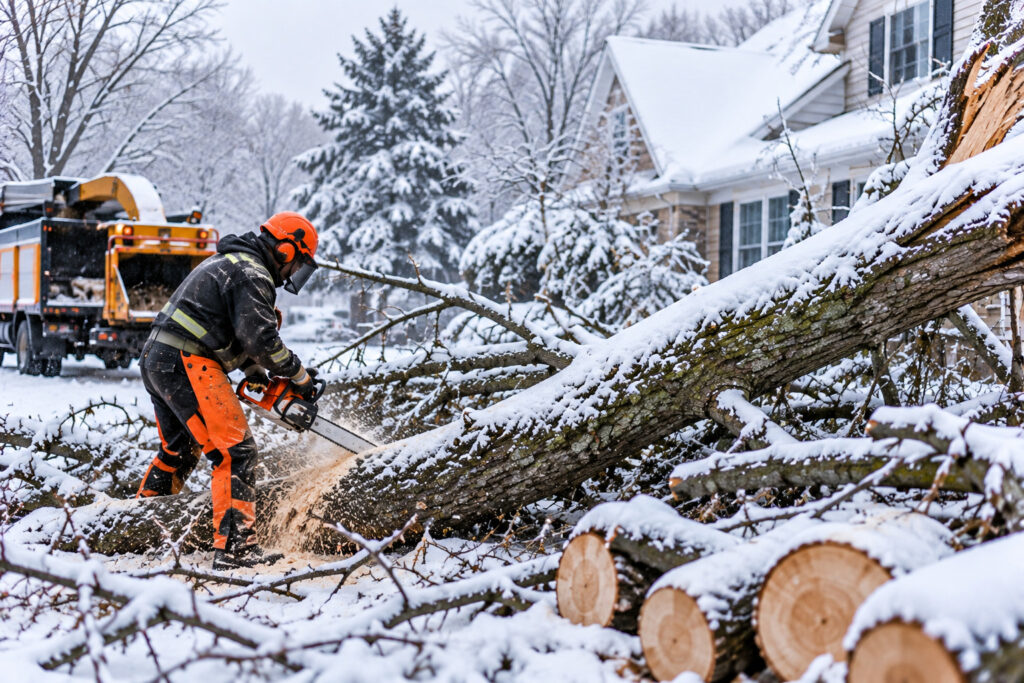
Highland Tree Service offers emergency tree removal Buffalo NY residents can rely on throughout winter storm season, with crews prepared to respond quickly when hazardous situations arise.
Staying Safe Until Help Arrives
If you’re waiting for a crew to arrive after a storm, a few precautions can help keep everyone safe in the meantime:
- Keep a safe distance from any tree that appears unstable
- Avoid parking vehicles near leaning or damaged trees
- Treat any downed branches near power lines as potentially live
- Communicate with neighbors if a shared or boundary tree is involved
Frequently Asked Questions
How quickly can I expect emergency tree removal after a major storm? Response times vary depending on the extent of storm damage across the area, but providers offering emergency service typically prioritize hazards affecting homes, vehicles, and access routes first.
Is it safe to remove small branches myself after a storm? Small, manageable branches away from power lines may be safe to clear, but larger limbs or anything near utility lines should always be left to professionals.
Will insurance cover emergency tree removal after a winter storm? Many policies cover removal when a tree falls and damages a covered structure during a storm, though coverage can vary, so reviewing your specific policy is recommended.
What should I do if a tree falls on power lines? Stay far away from the area and contact your utility company immediately, treating all downed lines as potentially live and dangerous.
Can emergency tree removal happen overnight? Many providers offering true emergency service operate 24 hours a day, including overnight and holiday response for serious hazards.
How can I reduce the chance of needing emergency service this winter? Scheduling a fall inspection and addressing weak or hazardous trees proactively significantly lowers the risk of unexpected failures during winter storms.
Final Thoughts
Winter storms can create sudden, serious hazards, but knowing what to expect from emergency tree removal services ahead of time helps you respond quickly and safely when it matters most. Preparing your property in advance, documenting damage carefully, and working with an experienced, available provider can make a stressful situation far more manageable.