Table of Contents
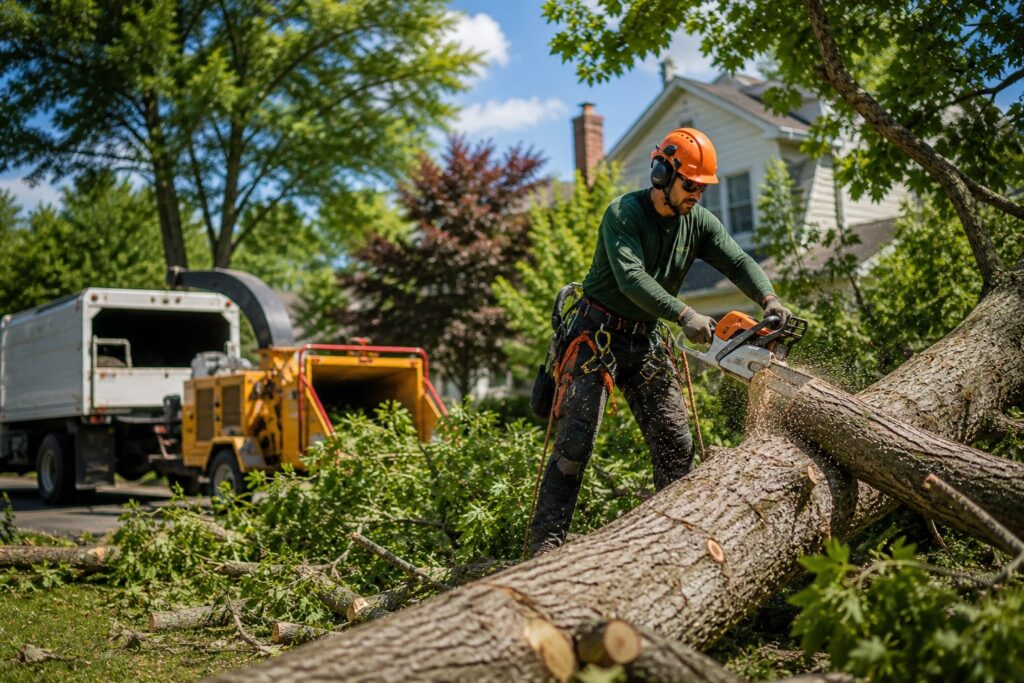
Winter weather in Western New York puts real pressure on trees, and a tree that looks fine in October can become a genuine hazard once snow and ice arrive. Learning to spot the warning signs early gives you time to act before a storm forces the issue. This guide covers practical tips for identifying dangerous trees and understanding when Buffalo tree removal becomes necessary before the season changes.
Why Winter Makes Weak Trees More Dangerous
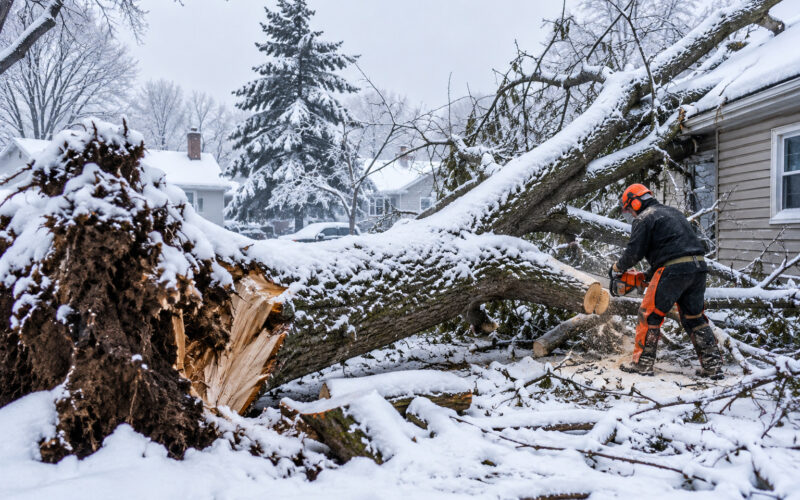
Snow, ice, and wind all add stress to a tree’s structure in ways that summer weather simply doesn’t. Understanding these seasonal pressures helps explain why fall inspections matter so much:
- Wet, heavy snow adds significant weight to branches and canopies
- Ice coating increases stress on already weak or damaged limbs
- Strong winter winds put extra pressure on unstable trunks
- Frozen ground can affect root stability during high winds
- Reduced daylight makes it harder to notice new damage once winter sets in
A tree that could handle a light summer storm may not hold up the same way once these added stresses come into play.
Checking the Trunk for Warning Signs
The trunk often reveals the clearest signs that a tree may need tree removal in the near future. When inspecting your trees, look closely for:
- A noticeable lean that wasn’t there in previous seasons
- Vertical cracks or splits running along the bark
- Soft, spongy areas or crumbling wood near the base
- Mushrooms or fungus growing at or near the trunk
- A hollow sound when the trunk is tapped
Any of these signs can indicate internal decay or structural instability, both of which increase the risk of failure once winter weather adds extra weight and pressure.
Evaluating the Canopy and Branches
Beyond the trunk, the canopy itself can reveal important clues about a tree’s overall health. Signs worth watching for include:
- Large sections of dead or bare branches, especially near the top
- Branches with narrow, weak-looking attachment points
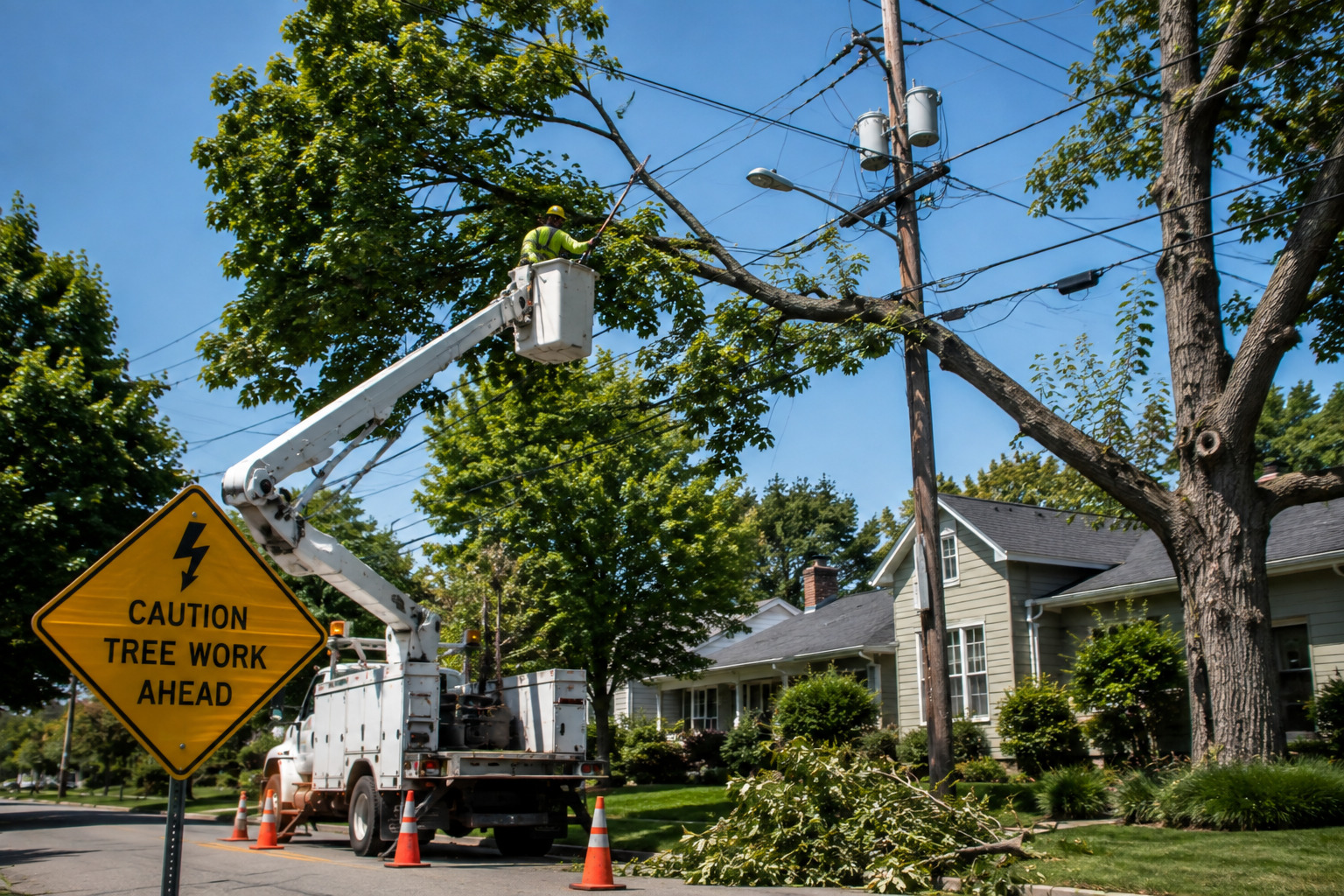
- Limbs already resting on or growing into power lines
- Significant dieback compared to previous years
- Broken or hanging branches from earlier storms that were never addressed
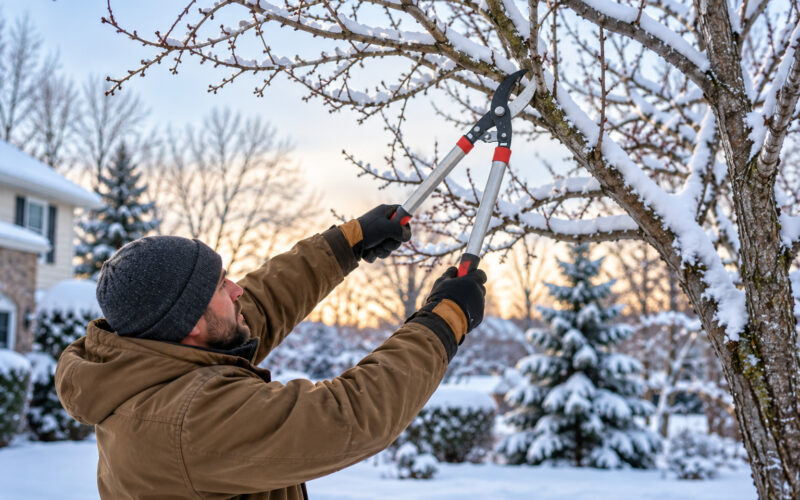
A canopy with extensive dead wood is more likely to shed heavy limbs once snow accumulates, making Buffalo tree removal or targeted pruning worth considering before winter arrives.
Checking the Roots and Base of the Tree
Root problems aren’t always visible from a distance, but a closer look at the base of the tree can reveal important warning signs. Check for:
- Roots that are heaving nearby sidewalks, patios, or driveways
- Exposed roots that appear cracked or damaged
- Soil that seems unusually loose or disturbed around the base
- Recent construction, digging, or grading near the root zone
Damaged or compromised roots can significantly affect a tree’s stability, especially during high winds combined with saturated or frozen ground.
When Tree Removal Buffalo NY Becomes the Safer Option
Not every issue means a tree has to come down, but certain combinations of warning signs strongly suggest that tree removal Buffalo NY is the safer path forward. Consider removal when a tree shows:
- Multiple significant warning signs at once, rather than just one minor issue
- Structural damage close to major structures, driveways, or power lines
- Advanced decay that compromises a large portion of the trunk
- A steep or worsening lean that continues to change over time
A professional evaluation can help confirm whether these signs point toward removal or whether pruning and monitoring might still be appropriate.
What a Professional Inspection Involves
If you’re unsure whether a tree needs attention, scheduling a professional assessment takes the guesswork out of the decision. A tree removal service Buffalo NY provider typically evaluates:
- Overall trunk and canopy condition
- Root stability and any visible damage
- Signs of pest activity or disease
- Proximity to structures and utility lines
- Whether pruning, cabling, or full removal is the appropriate next step
This kind of evaluation gives you a clear, professional opinion rather than relying on guesswork heading into winter.
Acting Before the First Major Snowfall
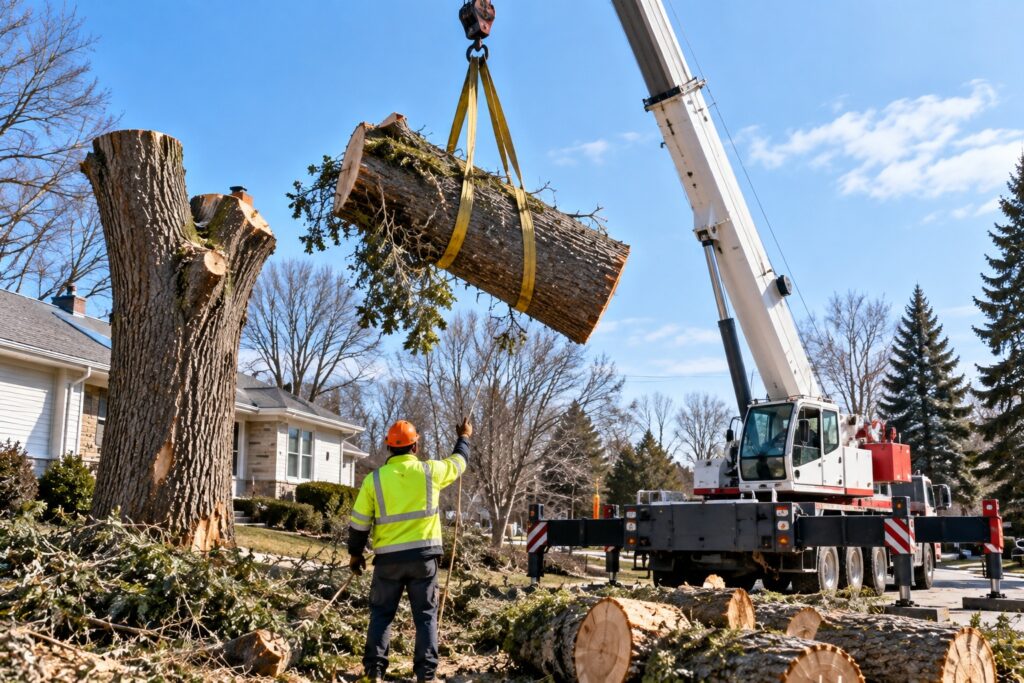
Once you’ve identified a hazardous tree, timing matters. Scheduling Buffalo tree removal before snow and ice accumulate offers several advantages:
- Easier access for equipment while the ground remains unfrozen
- More flexible scheduling compared to emergency response during storms
- Reduced risk of the tree failing unexpectedly during winter weather
- Time to properly plan the job rather than rushing during an active storm
Waiting until a tree is already failing during a snowstorm limits your options and often turns a manageable project into an urgent, more complicated one.
What To Do If You Spot a Hazard Right Now
If your inspection reveals a tree with multiple warning signs, don’t wait to take action. Consider these next steps:
- Contact a professional tree removal service for an on-site evaluation
- Avoid spending extended time directly beneath the tree until it’s assessed
- Keep vehicles and outdoor furniture clear of the area if the risk seems significant
- Get a written estimate if removal is recommended
Highland Tree Service works with homeowners across the Buffalo area to identify hazardous trees before winter weather arrives, offering inspections and removal services designed to prevent storm-related emergencies.
Frequently Asked Questions
How can I tell if a leaning tree is actually dangerous?
A slight, long-standing lean may be natural, but a sudden change in angle, especially after wind or rain, often signals root damage and should be evaluated by a professional.
Is it normal for trees to have some dead branches?
A small number of dead branches can be normal, but extensive dieback throughout the canopy is a stronger warning sign that the tree’s overall health may be declining.
Can a tree with fungus at the base still be saved?
It depends on the extent of the decay. A professional assessment can determine whether the tree is still structurally sound or whether removal is the safer option.
How long does a typical tree inspection take?
Most residential inspections take between thirty minutes and an hour, depending on the number of trees and any specific concerns being evaluated.
Should I remove a hazardous tree myself to save money?
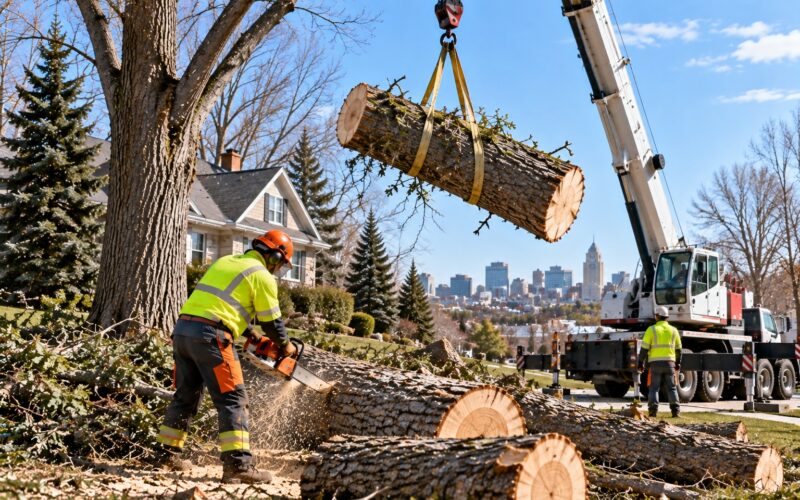
Removing a potentially hazardous tree without proper training and equipment is extremely risky. Falls, unpredictable weight distribution, and unsafe cutting techniques make professional removal the safer choice.
What happens if I wait until after a storm to address a hazardous tree?
Waiting increases the risk of the tree failing unexpectedly, potentially causing property damage or requiring emergency response under more difficult winter conditions.
Final Thoughts
Identifying dangerous trees before winter comes down to paying attention to specific warning signs, the trunk, canopy, and roots, and acting early rather than waiting for a storm to force the decision. A proactive inspection now can prevent a manageable issue from turning into a costly, dangerous emergency once snow and ice set in.