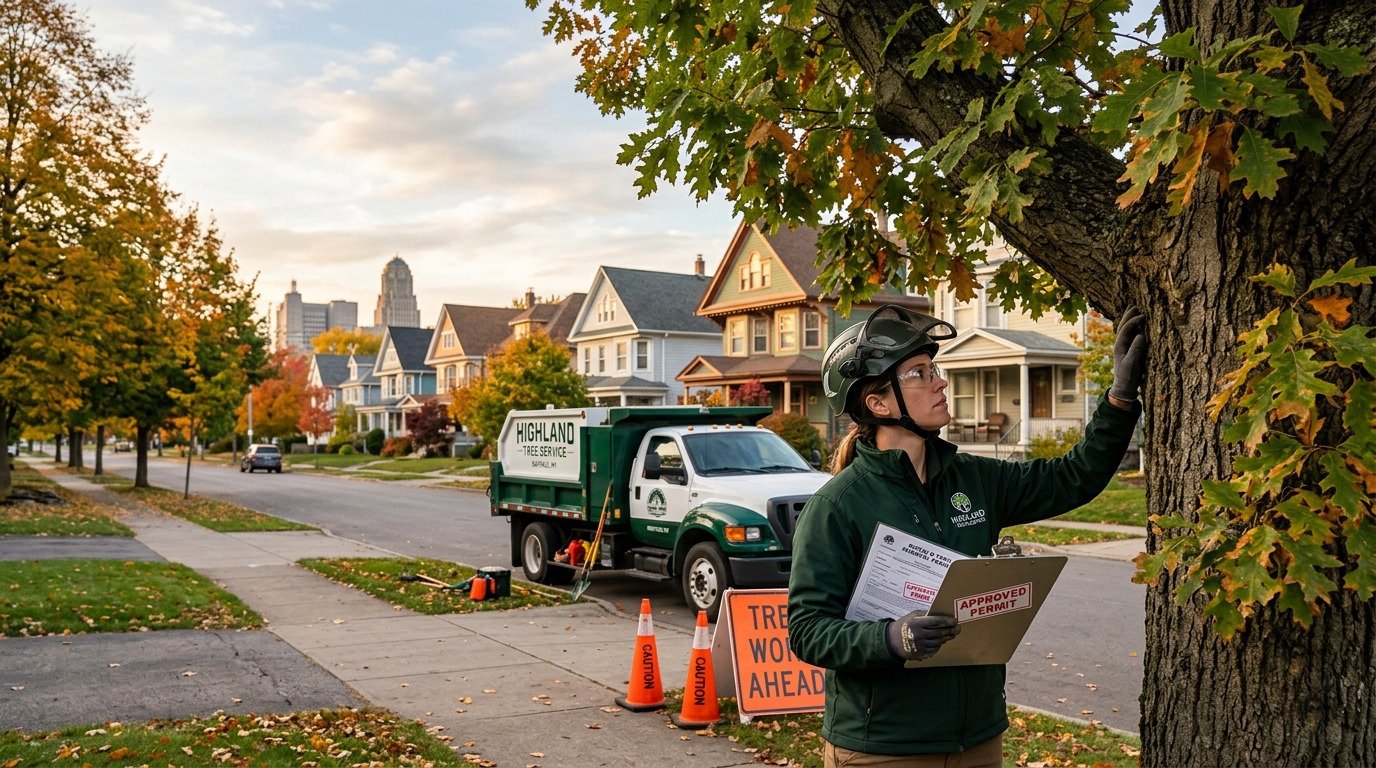
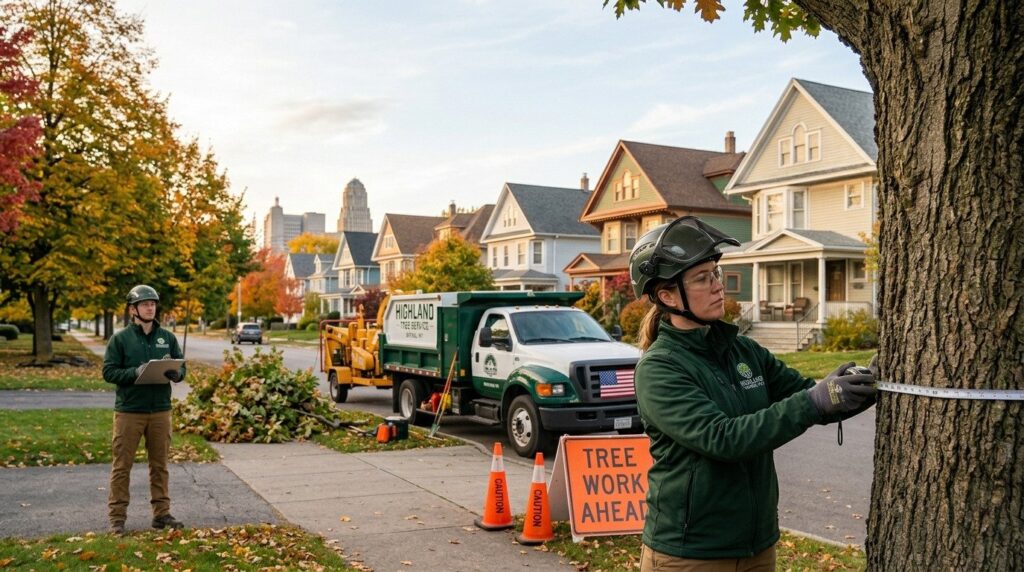
Trees enhance the aesthetics, shade, and value of a property. But there are times trees are dangerous, diseased, or damaged and need to come down. Many homeowners ask, “Do I need a permit to remove a tree in Buffalo, NY?” It’s also important to know local regulations before embarking on tree work. In Buffalo, there are rules and regulations that property owners must adhere to when cutting down certain trees. Familiarizing yourself with these can help keep you out of legal troubles, fines, and ruin your property.
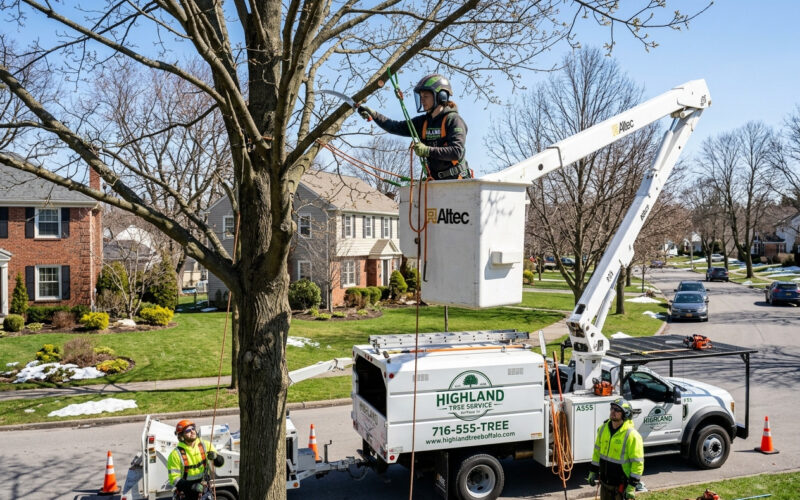
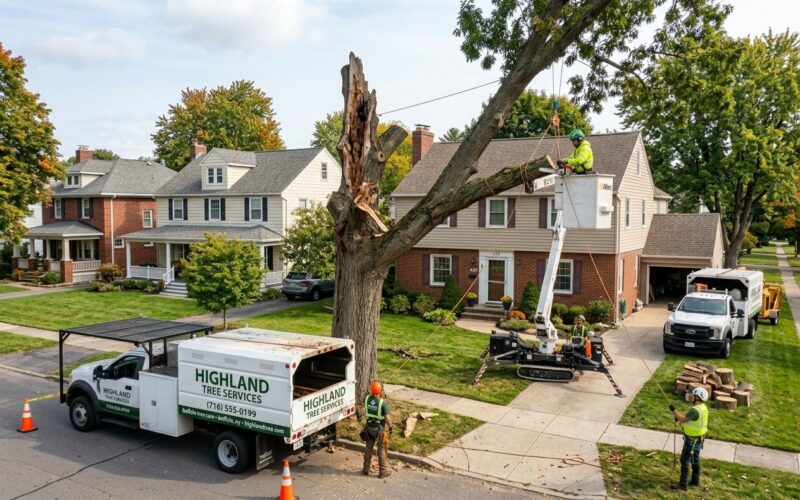
A good, professional tree service buffalo ny company like Highland Tree Services can help you with your tree projects and make it a stress-free experience. We know a lot about local law.
What Is a Tree Removal Permit and Why Does It Matter
A tree removal permit is the official permission to remove a tree that the city gives to property owners if the city allows them to remove the tree. They are intended to protect the environment, healthy trees, and neighborhood aesthetics.
Buffalo has regulations to avoid cutting down healthy trees unnecessarily. Trees clean the air, absorb stormwater runoff, and offer shade on hot summer days. Because of the ecological services provided by these trees, the city may need to be consulted before the removal of some trees.
Fines or penalties may apply for unauthorized removal of a protected tree. This is also why it is important to know your local tree laws before commencing any work.
Do You Need a Tree Removal Permit in Buffalo NY
This is determined by a number of variables. Sometimes homeowners will even require permission to cut down a tree, particularly if it is in a public space or in a preservation zone.
Generally, if your tree is located within a city property, like adjacent to sidewalks, city streets, or parks, permission from the city would be required.
In the case of private property, the need for a permit depends on specific factors, including whether the tree is in an intact or distressed state, the size of the tree, and the location of the tree. In some emergency cases, the tree may be removed instantly if it presents a safety hazard. Check local buffalo tree regulations before removing any tree.
Professional tree removal buffalo ny specialists can examine your tree and assist in determining whether or not you will need permits.
Situations Where a Permit Is Required
Buffalo property owners might need a permit to remove a tree in a number of circumstances. Trees on public property almost always need the approval of the city. Additional permission may be necessary for trees that are growing in close proximity to a utility line or public road.
Local ordinances may also protect large or historically significant trees. The city might need to inspect the tree before agreeing to removal. In some instances, homeowners will need to prove the tree is diseased, dying, or dangerous.
Another frequent situation is during construction. The city might take tree impact into consideration before issuing a permit when a tree removal is associated with a building permit or land development project.
However, understanding tree removal legal requirements can help avoid future legal problems.
When You Can Remove a Tree Without a Permit
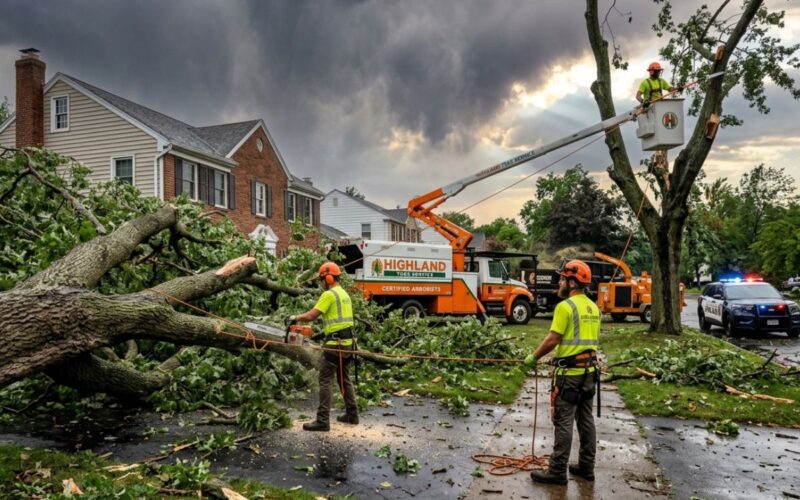
In some situations, homeowners can cut down a tree without special approval. Dangerous or damaged standing dead trees that pose an immediate threat to persons or property may qualify for emergency removal.
If a storm leans a tree dangerously against a home, for example, there is an emergency. Still, homeowners should try to document the state of the tree and reach their local authorities, if they can.
Trees that are not considered protected by local regulations or smaller trees may not require permissions for removal if located on private property. But every situation is different, and it leads many people to wonder: Can I cut down any tree on my property without permission? Contacting a reputable Buffalo tree service company like Highland Tree Services is the best possible first step before commencing work.
How to Apply for a Tree Removal Permit in Buffalo
“How do I get a tree removal permit in Buffalo?” is a question many homeowners ask. Usually, this starts with a call to the local city department that handles trees and public works.
You may also need to describe the tree, its condition, location, size, species, etc. The city may also send an inspector to view the tree before granting a removal permit.
Applicants may also be asked to provide photos or written statements as to why the tree should be removed. If it poses a safety risk, documents by a professional arborist may support your petition.
If you work with a professional tree service buffalo ny company, this process will be much easier. Highland Tree Services can help homeowners with permits and inspections necessary for tree removal and will follow procedures to ensure it is done safely and properly.
Why Choose Highland Tree Services
Not all tree care companies are the same. Highland Tree Services is a reliable source for tree removal buffalo ny as well as tree care services for residential and commercial properties throughout the region.
We have the equipment, experience, and local knowledge to do your tree projects safely and professionally. If you don’t know what tree removal permit regulations apply or if you require emergency tree removal due to a storm, we can assist you.
Highland Tree Services is committed to protecting your property and keeping your landscape safe and beautiful.
FAQs
Is a tree removal permit required in Buffalo NY?
It can vary depending on the location, size, and health of the tree. Permits are generally required for public trees.
Is there a fine for cutting down a tree without a permit?
Absolutely, there are penalties or fines associated with illegal tree removal.
Do I need permission to cut down a tree on my own land?
Private trees may not need a permit, but it is always best to check the local codes first.
Will Highland Tree Services assist with permits?
Yes, Highland Tree Services will help homeowners obtain the necessary permits.
When should I call tree service buffalo ny company?
If a tree is damaged, diseased, dangerous, or you want it inspected, you should call in the pros.